Professional roofing contractor inspecting roof valleys and flashing for winter leak prevention in Medford, Southern Oregon
Southern Oregon homeowners know that the transition from fall to winter can feel abrupt. One moment, you’re raking leaves; the next, you’re contending with relentless rain and possible snow in higher elevations. November is the pivotal time for a thorough roof inspection, especially in Medford, Ashland, Grants Pass, and surrounding areas. Being proactive now can mean saving thousands of dollars in emergency repairs later.
If you haven’t scheduled your pre-winter roof inspection yet, consider the peace of mind it brings. From spotting leaks before they evolve into costly hazards to ensuring your home’s structure can withstand the upcoming storms, a little foresight makes all the difference.
Why November Is Important for Southern Oregon Roof Inspections
November typically marks the first significant dip in temperatures throughout Southern Oregon. The region sees its heaviest rainfall between late fall and early winter, which means unaddressed roof vulnerabilities can escalate rapidly. Identifying potential leaks and weak spots now ensures a dry, comfortable home when winter’s storms arrive.
November’s Weather Pattern
During mid-fall, Southern Oregon’s average temperatures remain cool, yet not freezing. This moderate climate allows for safer roof checks without the added hazard of ice or snow.
Rainfall Frequency
By late November, heavier rainstorms roll in, creating challenging conditions for rooftop access. Addressing issues before the downpours begin is a far safer and more efficient plan.
Local Climate Differences
Medford and Phoenix often remain slightly warmer than Ashland, which sits at a higher elevation. Despite these variations, mid-October to mid-November is consistently the best roof inspection window across the region.
Common Leak Sources in Medford Area Homes
Many homeowners assume that leaks stem solely from worn shingles. In reality, water can penetrate through various areas. Connecting with experienced Southern Oregon roofing contractors who follow manufacturer specifications is the best way to pinpoint and remedy these vulnerabilities.
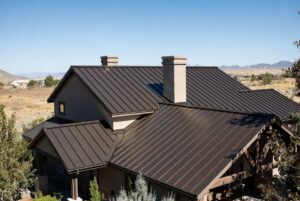
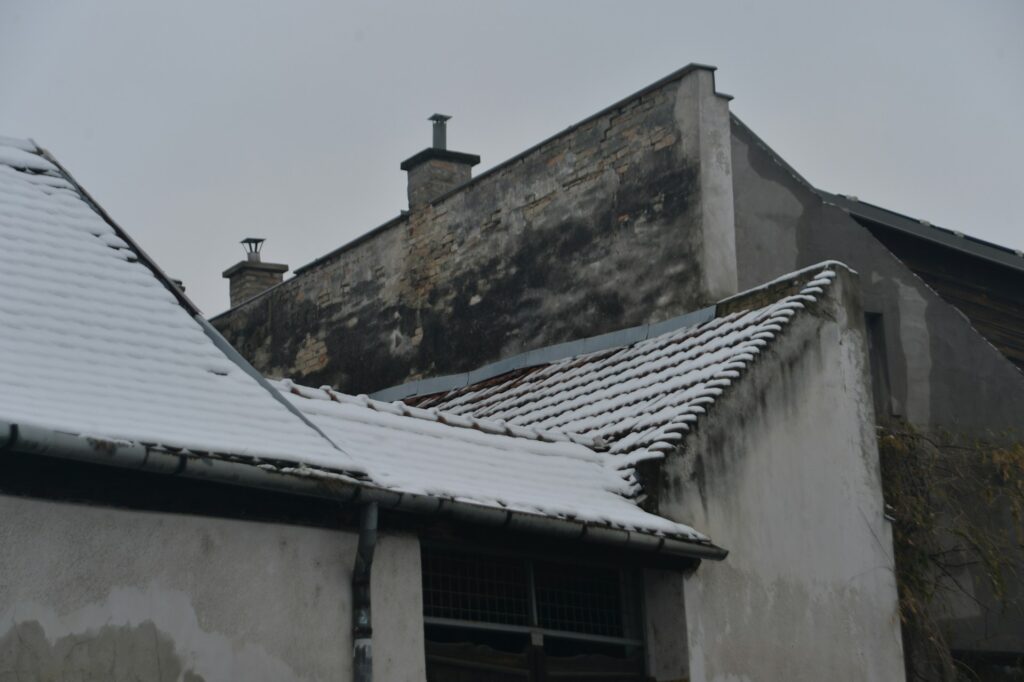
- Flashing Failure Metal flashing seals areas like chimneys, skylights, and roof edges. Over time, exposure to the elements can loosen or corrode these critical pieces.
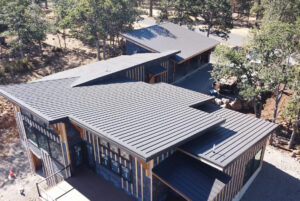
- Valleys and Low-Slope Sections Valleys occur where two roof planes intersect, directing significant water flow. Inadequate sealing or excessive debris can invite water intrusion.
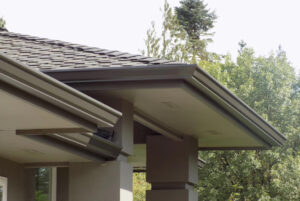
- Gutters and Downspouts Clogged gutters cause water to back up under shingles, leading to slow, hidden leaks that stay off your radar until serious damage arises.
- Missing or Damaged Shingles Age, storms, or high winds can loosen shingles. Even a tiny gap can escalate into a serious leak once the winter rains intensify.
- Poor Ventilation Inadequate roof ventilation traps moisture inside the attic. This ongoing dampness can weaken roofing materials and encourage mold growth.
Homes throughout Medford, Grants Pass, and Phoenix frequently experience these issues. Experienced contractors don’t merely patch symptoms; they address the root cause for long-term protection.
Early Warning Signs Before Winter Storms
Staying vigilant for warning signs spares your roof from turning into a casualty when winter’s first major storm arrives. According to the Energy.gov moisture guide, even minor water intrusions can lead to sizable problems over time.
Look out for:
Water Stains and Discoloration
Brownish splotches on your ceiling or walls often point to a sustained leak. Even smaller signs of staining should be checked promptly.
Unusual Drafts
Unexpected breezes around the attic or upper floors can hint at cracks or openings in the roof system. Airflow near light fixtures or ceiling corners might suggest a breach.
Musty or Damp Odors
Attics or upper-level rooms that develop musty smells can be harboring mold. Fungi thrive in damp, dark places, exacerbating allergies and causing structural deterioration.
Curled or Buckled Shingles
Conduct a quick ground-level visual scan to check if any shingles appear warped or curling. This shape change often indicates moisture infiltration beneath the surface.
At the slightest sign of trouble, contact roofing professionals. Some damage, like underlying water rot, may stay hidden until a thorough inspection is performed.
Understanding Southern Oregon’s Unique Weather Patterns
Southern Oregon features a patchwork of microclimates. Along the I-5 corridor, from Medford to Phoenix and Grants Pass, moderate winters alternate with hot, dry summers. Meanwhile, mountainous areas just a few miles west see heavier snow accumulations that arrive early and linger late. Based on Southern Oregon’s average November rainfall, precipitation can intensify suddenly as temperatures drop.
- Medford & Phoenix: Warmer valley locales, but rain and occasional snow are still common.
- Ashland: Over 2,000 feet in elevation, subject to colder temps and more frequent freeze-thaw cycles.
- Grants Pass: Similar rainfall patterns to Medford, though river-adjacent fog can linger and trap extra moisture.
- Roseburg (north of Medford): Transitional climate, with moderate rainfall and extended dampness.
Each area faces unique weather-related roof stress. Foggy conditions in Grants Pass elevate moisture exposure, while heavier snow in Ashland demands sturdier load-bearing capacity. Regular seasonal inspections tailored to your local microclimate ensure maximum protective measures.
Professional Inspection Process
Hiring a professional provides the peace of mind that no crucial detail is overlooked. A typical pre-winter roof inspection includes:
- Preliminary Exterior Check Inspectors take note of the general condition of shingles, flashings, valleys, skylights, and gutters. They also remove debris or moss if needed.
- Attic Evaluation Inside the attic, professionals check for evidence of leaks, mold growth, or weak spots where light shines through. Proper ventilation is crucial to avoid excessive moisture buildup.
- Comprehensive Report Credible contractors document any issues they uncover, providing a clear outline of your roof’s current condition and recommendations for repair.
- Maintenance Suggestions Often, minor fixes, like re-sealing flashing or replacing a few shingles, can be tackled on the spot. Larger projects might require scheduling follow-up work before heavy rains set in.
Ready to address potential leaks? HomeMasters’ Southern Oregon roofing team offers free pre-winter inspections in Medford, Ashland, and Grants Pass. Call (541) 240-8977 or visit us to schedule your inspection and stay a step ahead when winter storms arrive.
DIY vs. Professional Inspection
Some homeowners conduct a basic DIY inspection as a first step. However, undertaking a thorough check can be risky if you’re unaccustomed to working at heights or identifying hidden damage. Weigh the pros and cons carefully:
| Inspection Type | Cost Range | What’s Covered | Risk Factors | Time Investment | Best For |
|---|---|---|---|---|---|
| DIY Basic Check | $0 | Ground-level, visual inspection only | Potentially overlooks hidden damage, safety risk | 1-2 hours | Quick self-check |
| Professional Inspection | $150-$400 | Full exterior check (shingles, flashing, gutters) and report | Minimal risk | 2-3 hours | Most homeowners |
| Comprehensive Assessment | $400-$800 | Attic inspection, moisture tests, thermal imaging | None | 3-5 hours | Suspected major issues |
A basic inspection might reveal obvious damage, but oversight of attic moisture or small hairline cracks can lead to bigger problems. If you suspect an underlying issue, or simply want a thorough exam, a professional inspection is well worth the investment.
Cost Analysis
Proactive care typically proves far more affordable than disruptive emergency fixes:
Typical Pre-Winter Inspection & Minor Repairs
Expect to invest $200-$600 for a routine inspection and small-scale fixes like flashing sealant or tile replacement. This simple step can extend your roof’s lifespan and avert bigger headaches down the road.
Emergency Winter Repairs
Sudden leaks during winter storms may cost $800-$3,000 or more, especially if water seeps into your home’s interior. Urgent labor, temporary tarping, and potential structural remedies push repair bills higher.
Insurance Premiums and Potential Claims
A consistently maintained roof often sees fewer major insurance claims. Some insurers even offer discounts for documented maintenance, underlining the benefit of regular inspections.
In many cases, prevention in November spares you from chaos in December or January. The financial gap between a careful inspection and costly emergency interventions speaks for itself.
Emergency Preparedness for Winter Leak Scenarios
Even the most robust roofs can encounter sudden problems during extreme weather. Equip yourself with a plan:
Keep a Tarp On Hand
A heavy-duty tarp can limit interior water damage if an unexpected leak appears. Stow it where you can grab it fast.
Trusted Roofing Contact
Maintain a relationship with a reputable local contractor. When a leak occurs, early intervention keeps small problems from ballooning.
Consider Backup Power
Storms can knock out electricity when you least expect it. Generators or portable power sources keep critical sump pumps and tools running.
Stock Flashlights and Buckets
Basic items like large buckets, heavy-duty towels, and bright flashlights help you contain water intrusion and inspect dark corners safely.
Preparation transforms emergencies into manageable events, eliminating the frantic scramble that often accompanies severe leaks.
Local Differences in Roof Challenges
Though Southern Oregon is united by overall rainy conditions, each location adds a unique twist:
Ashland
Sitting 2,000+ feet above sea level, Ashland can face early snowfall and freeze-thaw cycles that speed up crack formation and roof deterioration.
Grants Pass
The Rogue River’s proximity introduces intense fog and moisture. Roofs not adequately ventilated or cleared of debris may see mold growth and rotting layers.
Medford
While heavy snow is less frequent, winter rains come in bursts. Gusty winds can pry up old or thinning shingles, leaving them vulnerable.
Phoenix (OR)
Southwest of Medford at a slightly lower elevation, Phoenix still sees steady rainfall during winter. The November inspection window remains critical.
Roseburg
Further north along I-5, Roseburg experiences moderate precipitation for extended periods, creating consistent dampness that tests roof endurance.
Wherever you live, taking action before winter is a smart choice for a worry-free season.
FAQ
- When should I schedule a roof inspection before winter? Arrange it between mid-October and mid-November. This timing precedes Southern Oregon’s heavier rainstorms, leaving you ample room to complete repairs.
- What are the top causes of winter roof leaks in Medford homes?
- Failing flashing near vents and chimneys
- Damaged shingles in roof valleys
- Clogged gutters backing up water
- Cracked sealant around skylights
- Poor attic ventilation causing moisture buildup
- Are emergency winter roof repairs really that expensive? Yes. Depending on the severity of the leak and potential structural complications, unmanaged storm damage can run from $800 to well over $3,000. In contrast, performing preventive maintenance typically costs just a few hundred dollars.
- Is roof upkeep different in Ashland than in Medford? Slightly. Due to Ashland’s higher elevation, snow and frequent freeze-thaw cycles demand thicker roofing materials and sturdier structures. Still, November remains ideal for an annual inspection.
- Should I get an inspection if rain is already in the forecast? Yes. Dry conditions are best, but if inclement weather is closing in, a professional can still assess your roof thoroughly with proper safety measures.
- What’s included in HomeMasters’ pre-winter inspection? Our inspection at HomeMasters typically covers exterior checks (valleys, flashing, shingles, gutters), attic moisture and ventilation assessments, and a detailed report, reflecting Southern Oregon’s specific weather demands.
Ready for a Leak-Free Winter
Don’t let the first major winter storm be the moment you discover a roof leak. November is here, and a targeted inspection now is your best line of defense against leaks, rot, and unexpected costly repairs. Whether you live in Ashland, Grants Pass, Medford, Phoenix, or even Roseburg, preemptive roof inspections pay dividends all winter long.
Schedule your free inspection with HomeMasters’ Medford team today. We’ll make sure your roof stands up to November’s downpours, overnight freezes, and any surprise snow bursts. Acting early keeps your household dry and your wallet happier.
Concerned about potential leaks? Our team is here to help. Contact HomeMasters to schedule and enjoy peace of mind when winter arrives.
Your Winter-Ready Roof Awaits
A well-maintained roof transforms each stormy night into a moment of cozy comfort, free from the anxiety of dripping ceilings or costly emergencies. Taking control of your roof’s health this November ensures you’ll face the season with confidence. Whether you need a simple tune-up or a comprehensive assessment, timely attention preserves the integrity of your home while helping you avoid unpleasant surprises.