Winter storms rolling through the Columbia River Gorge can be surprisingly fierce. When frigid gusts tear past Mount Hood and surge into Gresham, Clackamas, and other Eastside neighborhoods, roofs bear the brunt of those swirling, high-speed winds. One minute, all is calm. The next, your shingles flap like playing cards in a gale.
Defending your home from these gusts isn’t simply about bracing for a single storm. It’s a matter of season-long resilience. Taking preemptive steps, spotting early warning signs, and carefully managing trouble areas can mean the difference between a minor fix and an expensive overhaul later.
How Gorge Winds Intensify Eastside Roof Damage
When fierce winds funnel through the Columbia River Gorge, they generate sustained pressure that can affect roof structures in Gresham and beyond. Because these wind channels accelerate as they narrow, local homes may experience sudden gusts that push, lift, and strain roofing materials.
In milder valley areas closer to central Portland, breezes spread more uniformly without concentrating in one corridor. However, once winds cross into Gresham and Clackamas, they can pick up speed akin to a wind tunnel. This potent force can loosen older shingles or pry up freshly installed ones if not anchored properly.
Natural tree lines and angles of nearby roofs also affect airflow. Homes with taller neighboring houses or sparse landscaping can see more abrupt gusts. Understanding these localized conditions can guide you in adapting your maintenance strategy. It’s not just an abstract weather phenomenon – it influences how your roof ages and weathers each winter.
Key Signs of Wind-Related Roof Vulnerabilities
The first hint of trouble usually comes in small, subtle signs. By catching them early, you can often avoid extensive repairs. Below are common signals that your roof may face high-wind damage:
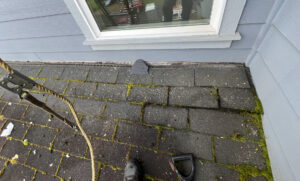
- Shingle Uplift: Corners peel upward or lay unevenly. Over time, this leads to moisture seeping beneath the shingle, causing rot or leaks.
- Curling and Cracking: Extreme gusts combined with temperature shifts can cause shingles to warp, making them more likely to tear or break away.
- Loose or Missing Shingles: If you find stray shingles around your yard or notice exposed underlayment from the curb, the wind has already broken the roof’s seal.
- Gutter and Downspout Damage: High winds can jostle improperly secured gutters, twisting them if they catch the wind’s force.
- Granule Accumulation: Asphalt shingles shed protective granules when stressed. Excess granules in gutters or along downspouts may foreshadow roof wear.
When these warning signs surface, a thorough inspection can reveal doubts while they’re still manageable. Taking the time to investigate early ensures that the eventual fix remains simpler and more cost-effective.
The Hidden Hazard of Ice Damming
Fast winds often carry freezing temperatures, which set the stage for ice damming. Though it might seem like a separate problem, ice dams arise when melting snow or rain refreezes at eaves rather than draining off the roof. This creates a blockade of ice that pushes moisture beneath shingles, exacerbating wind-driven vulnerabilities.
- Temperature Fluctuations: Gresham winters can fluctuate rapidly. Snowfall may melt during the day and refreeze by night, creating the classic ice-dammed conditions.
- Poor Attic Insulation: Hot air that accumulates in your attic can warm the roof’s surface while eaves remain cold, encouraging ice build-up.
- Ineffective Ventilation: Proper roof ventilation circulates air, preventing localized hot spots. Without it, the temperature imbalance along roof edges can worsen ice dams.
Ice damming often coexists with wind damage once shingles begin to loosen. The melted water seeps beneath weak spots, allowing water intrusion. Keeping up with both wind protection and temperature regulation sets you on a surer path to a winter-ready home.
How Small Problems Become Big Ones
Here’s a pattern that plays out across Gresham every winter: A homeowner notices a single lifted shingle after a windy weekend but dismisses it as minor. A few days later, a small drip appears near a window. By the time they investigate, moisture has spread into the attic around nail penetrations.
What happened? Wind pried up the shingle edge just enough to break the seal. Each subsequent rain pushed water under that lifted corner. The damage expanded with every storm.
The lesson is straightforward: in high-wind areas, small roof issues don’t stay small. A lifted shingle that might last years in a calm climate can become a leak source within weeks when Gorge winds are involved.
The homeowners who avoid expensive repairs are the ones who address lifted shingles, loose flashing, and gutter damage quickly – before the next wind event compounds the problem. A $200 repair in January beats a $2,000 repair in March.
Why Gresham and Clackamas Face More Acute Damage
High winds aren’t exclusive to Gresham or Clackamas, but the Gorge corridor can amplify their effect. Humidity levels climb as cold air rushes in, leading to more freeze-thaw cycles around the edges of roofing materials. Higher precipitation levels keep shingles moist, softening them against gusty winds.
- Geographic Corridor Effect: The Gorge acts as a funnel, channeling air directly east to west.
- Elevated Humidity: Particles from the Columbia River can intensify moisture that weakens shingle performance.
- Sloped Neighborhoods: Gresham includes pockets of hilly terrain, altering wind angles and increasing shingle exposure.
By recognizing these risk factors, Eastside homeowners can plan for winter with a more tactical approach. Instead of letting the weather catch you off-guard, you’ll be ready with preventive measures that align with your roof’s unique location.
Protective Measures for High-Wind Seasons
Preventing ongoing roof damage in changing weather starts with meticulous care. Even small steps can significantly extend your roof’s lifespan.
- Routine Visual Inspections
- Check corners of shingles for lifting after heavy winds.
- Look for visible debris in valleys or near flashing.
- Scan for curling, cracking, or missing shingles spotted from ground level.
- Gutter Reinforcement
- Ensure gutters and downspouts are firmly anchored to the fascia.
- Remove leaves and debris to maintain free water flow.
- Add gutter guards or screens to keep out excessive material in stormy months.
- Attic Ventilation and Insulation
- Enhance airflow using ridge vents, gable vents, or soffit vents where applicable.
- Assess insulation thickness to reduce hot spots that cause ice damming.
- Double-check insulation around ductwork to minimize heat leakage.
- Skylight and Flashing Checks
- Inspect around chimneys, vent pipes, and skylights for worn seals.
- Replace compromised flashing to block wind-driven moisture.
- Caulk minor gaps or cracks before they expand in freezing conditions.
These targeted steps keep high winds from gaining the upper hand. Sustained vigilance – especially during January’s peak wind season – can prevent a small crack from becoming a costly repair.
Spotting and Managing Shingle Uplift
Shingle uplift is easy to miss until damage escalates. A raised corner or uneven ridge can signal deeper issues. If you notice repeated uplift in several places – or moisture pooling inside – schedule an inspection with a qualified roofer. They’ll reseal the shingle layers, reinforce the underlayment, and evaluate for further vulnerabilities.
When left unchecked, moisture accumulates beneath loosened shingles, rotting the plywood deck below. Stopping this cycle early prevents expensive repairs later.
The Importance of Timely Repairs and Maintenance
In harsh winter conditions, minor issues rarely stay minor. A small tear in a shingle or a loose gutter fastener might seem inconsequential, but windy January weather can amplify even the smallest vulnerabilities. Repairs done promptly offer several advantages:
- Longevity: By addressing initial damage early, you add years to your roof’s expected life span.
- Cost Savings: Smaller problems cost less to fix. Delays often necessitate extensive overhauls and steeper repair bills.
- Structural Integrity: Water infiltration weakens decks, rafters, and insulation. Maintaining your roof’s seal helps your entire home remain solid.
- Energy Efficiency: By preventing hidden drafts or moisture pockets, you keep your home’s temperature stable, lowering heating bills.
Despite the initial investment, timely repairs balance short-term cost versus future catastrophes. Think of a sturdy roof as insurance against unpredictable weather patterns. Overlooking near-invisible flaws leaves your home vulnerable when strong winds sweep in.
Gutter Damage in Windy Conditions
Gutters play an underappreciated role in storm protection. Initially, it might sound surprising to think that strong winds could affect gutters, but improperly secured sections can turn into prime targets for gusty conditions. Once twisted or loosened, gutters cease to channel water away effectively.
In January’s freeze-thaw cycles, water stuck in a damaged vein of gutter quickly freezes, expanding and warping the gutter’s shape. This further degrades its ability to carry run-off. Consequently, water might pool on the roof edge, hastening shingle decay or seeping through fascia boards.
Maintaining gutters begins with thorough clearing of leaves, ice, and other debris. Also, consider reinforcing the hardware that holds gutters in place – upgrading to heavy-duty hangers or clamps can make the difference when the winds pick up. Regularly confirm downspouts aren’t blocked because wind-driven rain can push additional debris right into these channels.
Harnessing the Power of Roof Ventilation
Well-ventilated roofing systems are more than a “nice-to-have.” Proper airflow ensures that elevated attic temperatures don’t melt snow unevenly, a prime culprit in ice dams. By reducing trapped heat and moisture under the roof, ventilation helps shingles and support materials remain stable amid temperature swings.
Ridge vents along the peak of your roof release warm air naturally, creating a gentle airflow that draws in cooler air from lower intake vents (like soffit or gable vents). This circulation prevents hot spots, improves energy efficiency, and lessens the strain that leads to premature roof aging.
When strong winter winds blow, vents also reduce stress by equalizing air pressure on both sides of the roof deck. It might sound technical, but think of it as balancing the inside air with blustery conditions outside, so your shingles aren’t taking the full brunt of the gust. This synergy between insulation and ventilation can significantly extend the life of your roofing materials.
Trusted Materials and Installation
Choosing the right roofing materials can make a substantial difference in wind resistance. High-quality asphalt shingles, metal roofing panels, or composite systems generally include wind-rating warranties. For areas like Gresham and Clackamas, opting for materials that have been tested against higher wind speeds (like 110 mph or more) can strengthen your home’s defense.
It’s not just about materials, though. The installation process is critical. Even the best shingles fail if not secured with proper nailing techniques. For instance:
- Nailing Zone: Manufacturers specify where nails should be placed on each shingle. A half-inch off can compromise the overall seal.
- Underlayment Overlaps: Each sheet of underlayment must overlap the next by an adequate margin, preventing wind-driven rain infiltration.
- Flashing Placement: Valleys and corners need metal flashing installed at the correct angle to guide water run-off away.
When hiring a roofing contractor like HomeMasters, ask about their experience in high-wind installations. The extra diligence ensures that your roof stands ready to confront the next winter storm.
Regular Roof Inspections and Scheduling
A well-planned inspection schedule is your best insurance for day-to-day peace of mind:
- Seasonal Reviews: Twice a year – during fall and spring – book a roof inspection to preempt extreme seasonal changes.
- After Major Winds: If you know your area experienced gusts over 50 mph, it’s prudent to do a quick inspection.
- Before Winter: A late-fall visit from a contractor can confirm your roof is sealed and your gutters are clear, reducing surprises come January.
Professional roofers use specialized tools, such as moisture scanners or infrared devices, to detect hidden leaks. They’ll also spot cracks or tears absent to an untrained eye. By adhering to a regular schedule, you’re less likely to catch your roof in dire straits once the next big wind event hits.
For more detailed standards on maintaining wind-resilient roofs, you might explore guidelines from the National Roofing Contractors Association (NRCA) [https://www.nrca.net/] or check local weather data from the NOAA site [https://www.weather.gov/] for ongoing wind advisories. This ensures you stay informed about conditions that can affect your roof’s longevity.
The Bottom Line
Gorge winds hit Gresham harder than most of Portland. The homeowners who avoid expensive Portland East Roof Repairs are the ones who address small issues quickly – a lifted shingle, a loose gutter bracket, a minor flashing gap – before the next wind event turns them into major problems.
Regular inspections, especially after storms, are the best investment you can make. Catching damage early keeps repair costs low and your roof ready for whatever the Gorge sends next.