
The Rogue Valley is known for its dynamic weather patterns, and Medford homeowners often face gusty winds that can wreak havoc on roofs, gutters, and siding. While some wind damage is obvious – like a missing shingle perched in front of your doorway – other forms of harm can be more subtle. Being aware of these less apparent issues is essential for keeping your home secure and protecting its long-term value.
Wind damage may not always manifest as complete destruction. Instead, it can arise in the form of tiny loosened shingles, slight cracks in flashing, or a sagging gutter that seems harmless at first. By familiarizing yourself with specific warning signs, you can address small problems before they become costly emergencies.
Below is a practical checklist for examining your roof and related structures after a wind event. It integrates common trouble spots with straightforward diagnostic tips you can use safely from the ground or with basic tools. Although it’s tempting to climb a ladder and investigate, always prioritize safety. When in doubt, consider reaching out to a certified roofing professional.
The Importance of Early Detection
Windstorms rarely announce the extent of the damage they leave behind. Shingles can lift briefly during high gusts and then settle back into place, making it seem as if everything is intact. Over time, these “lifted” shingles allow water to seep underneath, leading to interior leaks that appear weeks or even months later.
Addressing hidden damage before it escalates offers multiple benefits: – Prevents structural rot and mold growth. – Saves money on future repairs. – Preserves home value. – Minimizes the chance for costly emergency fixes.
By acting immediately – often within days of a major wind event – you can fix minor issues that safeguard your property from heavier roof repairs. Awareness is your best defense.
Survey the Surrounding Yard
Your inspection begins the moment you step outside. Even if your roof looks fine at first glance, the ground can tell another story. A quick scan of your lawn and garden can reveal roof debris or fallen shingles:
- Shingle fragments. Small, loose pieces scattered across the yard might indicate that sections of your roof experienced stress or breakage.
- Larger objects. Sometimes entire shingles dislodge, landing intact on the grass or in a nearby driveway.
- Gutter remnants. Bits of metal, sections of downspouts, or torn gutter screens might be lying around.
If anything looks unusual, make a mental note before proceeding with a closer visual check. Picking up roofing debris isn’t merely housekeeping – it’s a clue that your home may need attention soon.
Ground-Level Roof Inspection
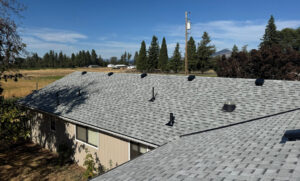
A thorough roof inspection doesn’t always mean climbing a ladder. Observing from ground level, especially with binoculars, can be both safe and revealing. Stand at multiple vantage points around the house and look for:
- Curling or buckling shingles. Even slight distortions may point to storm-related stresses.
- Shiners or missing granules. If shingles appear shiny in the sunlight, they might have lost protective granules.
- Flashing alignment. Angled metal around chimneys, vents, or skylights should appear flush with the roof surface. Any bent or warped pieces deserve closer examination.
- Sagging ridges. Roof lines should remain straight and uniform. A dip can signal structural weakening.
Wind storms in Medford can arrive with little warning, so routine observation is your main defense. Keeping a small pair of binoculars near your window can streamline quick post-storm checks.
Check the Gutter System
Gutters serve as your roof’s drainage backbone, directing water away from vulnerable areas. Even moderate wind storms can disrupt or damage the gutter system:
- Loose or detached segments. Strong gusts may pull gutters away from the fascia boards. Any obvious sagging or gaps indicate trouble.
- Signs of rust. Frequent wind and rain can accelerate corrosion, weakening the integrity of the metal.
- Clogged or backed-up areas. Leaves, twigs, or roofing granules might block water flow, leading to overflowing channels.
Listening, as well as looking, can help. If you observe unusual drips or hear water running in unexpected places during the next rainfall, it might point to wind-related gutter damage.
Investigate the Flashing
Flashing is a thin metal barrier situated wherever the roof meets protrusions like vents, chimneys, or skylights. It’s critical for preventing leaks, but high winds can loosen or bend it:
- Gaps or lifted edges. Even a small opening can allow water infiltration. Pay special attention to corners around dormers or chimneys.
- Corrosion or cracks. Look for discolored or rusted flashing that could soon fail.
- Unusual creases. If the metal looks warped or crumpled, wind gusts may have forced it out of normal alignment.
When performing closer inspections, exercise extreme caution around the edges of your roof. Excessive weight or applying force in the wrong spot may worsen any compromised areas.
Attic and Interior Clues
Sometimes, the first sign of wind damage emerges from within your home. Leaks or unseen moisture seep in through cracked shingles or damaged flashing:
- Attic moisture. Peeling paint, damp insulation, and musty odors might be early signals of a moisture problem. Check for darkened patches in the wooden framework.
- Water stains on ceilings. Brownish rings or spots on upper floors can be a giveaway that water has slipped past the shingles.
- Drafty spaces. Unusual drafts in certain rooms could signal compromised roof integrity.
If you notice any of these warning signs, follow up with a more detailed inspection or consult a professional. Wind damage to a roof often leads to bigger problems if it isn’t identified promptly.
Look for Shingle Lift
Medford’s gusty conditions can cause momentary lifting of shingles, which is tricky to see from the ground. Even if shingles settle back into place, the sealant strip might no longer adhere securely, creating a hidden weak point. Over time, this allows water to trail underneath or additional wind to tear the shingle away completely.
Signs of possible shingle lift: – Slight uplift corners. If a shingle corner appears to hover above the roof’s surface, it’s a telltale sign. – Shiny or new-looking shingles. If the tar seal has broken, portions of the shingle might look oddly pristine in certain spots. – Spider-cracks near the nails. Stress lines around fasteners can indicate the shingles have been flexed.
The slightest compromise can lead to major trouble down the road. Frequent small inspections, especially after particularly windy days, keep you ahead of potential leaks.
Watch for Granule Loss
Most asphalt shingles are coated with protective granules that guard against UV rays and moisture. During windstorms, friction and turbulence can knock those granules free:
- Gutters filled with granules. After a storm, check for a buildup of shingle granules in your gutter troughs.
- Bald patches on shingles. Dark or smooth areas might indicate missing granules.
- Accumulations in downspouts. Sometimes, you’ll notice granule deposits on the ground near the downspout’s exit.
Granule loss weakens shingles, making them more vulnerable to subsequent storms. If you spot concerning amounts of granules in unexpected places, it suggests your roof could be wearing out faster than expected.
Broken or Bent Soffit and Fascia
Soffit and fascia boards are the finishing touches along the edges and underside of your roof. While they’re often overlooked, they can sustain wind damage:
- Bent or warped fascia. High gusts can pull fascia boards away, causing them to bend at odd angles.
- Cracked or broken soffit panels. Whether wood or vinyl, soffits become brittle over time and may split during a severe storm.
- Exposed underlayment or insulation. If you spot layers of material where the soffit or fascia has detached, you risk wildlife intrusions and moisture problems.
Always keep an eye on these edge details. Even the most solid roof benefits from intact soffit and fascia, as they support proper ventilation and protect structural components.
Sealing and Caulking Inspection
Many roof elements rely on sealants to keep water from seeping in through small gaps. Over time, wind and temperature changes can cause these sealants to crack, peel, or shrink:
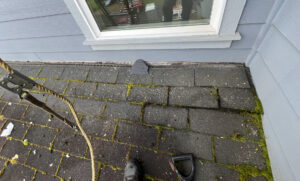
- Check around flashings. Whether by the chimney, vent pipes, or other roof penetrations, look for splits in the caulking.
- Inspect areas where roofing materials meet siding. Joints between different surfaces are particularly prone to moisture intrusion.
- Examine window and dormer seals. Wind can drive water horizontally, compromising seals that appear functional in less extreme conditions.
Modern roofing systems typically incorporate specialized membranes to protect these edges, but older or hastily repaired roofs often rely on sealants that can deteriorate rapidly.
Siding Condition
Wind damage isn’t confined to the roof. Siding can also take a beating when gusts whip around corners and edges:
- Loose or flapping panels. Vinyl or wood siding may partially detach, leaving gaps.
- Microcracks in stucco. Hairline fractures can indicate a weakening perimeter where water may enter.
- Chipped paint on wood siding. Wind-driven debris can dent or chip painted surfaces, revealing the underlying wood.
Even if your roof escapes harm, checking your home’s exterior walls offers continuity in maintaining a wind-resistant property.
How Hidden Damage Typically Unfolds
Wind damage doesn’t always announce itself with missing shingles lying in the yard. Here’s a pattern that’s common in Medford after winter storms:
Days after a windstorm, you might notice dark specks collecting by your downspouts – shingle granules that got knocked loose by the gusts. Your roof looks fine from the street, but those granules indicate stress on the shingles.
A week later, a subtle musty odor appears in a bedroom. You check the attic and find insulation near the roof edge is damp. The shingles weren’t visibly missing, but their seal was compromised. Water has been seeping through.
The lesson: post-storm inspections should include more than just a visual check from ground level. Look at your gutters for granule accumulation. Check the attic for moisture. These secondary indicators often reveal damage before it shows up as a ceiling stain in your living room.
Safety Tips
While evaluating your roof, maintain proper caution. Here are a few pointers to keep in mind:
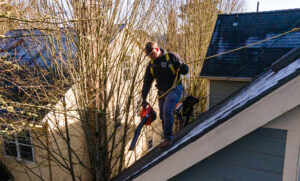
- Avoid climbing on the roof alone. Secure a stable ladder and consider asking a family member or neighbor to watch from below.
- Wear slip-resistant shoes. Moist or dusty surfaces can be slippery.
- Check weather conditions. Post-storm, surfaces may remain wet or unstable. Wait for a clear day to reduce the risk of falling.
- Keep a professional’s contact handy. Quick advice or an on-site assessment can prevent accidents and expensive mistakes.
If you ever feel uneasy about a certain aspect of your inspection, consult a local roofing specialist. The cost of a professional evaluation often pales in comparison to the expense of undetected water damage.
When to Call a Roofing Professional
Sometimes, small fixes – like replacing a gutter elbow or re-caulking a vent – are feasible DIY projects for homeowners. However, wind damage can run deeper than it appears. You’ll want to call a professional if:
- Shingles are significantly lifted or missing.
- Flashing or underlayment layers are compromised.
- There’s extensive water damage in your attic.
- Your roof is older and may need a thorough assessment.
Professionals use specialized tools and safety equipment to diagnose issues precisely. Many reputable roofing companies like HomeMasters offer free or low-cost inspections after major storm events – an investment that pays off in peace of mind.
Preventative Measures for Future Storms
Wind damage can be minimized by proactive care and updating some existing features:
- Schedule regular roof maintenance. Yearly inspections can catch weak points before they become critical.
- Keep nearby trees trimmed. Overhanging limbs can snap during storms, causing additional roof or gutter damage.
- Update older shingles. Modern architectural shingles often come with higher wind-resistance ratings.
- Reinforce vulnerable areas. Extra fasteners or specialized underlayment around chimneys and vents can strengthen weak points.
Medford’s climate fluctuates, but consistent, ahead-of-time maintenance helps ensure your home remains resilient.
The Bottom Line
Wind damage needing repair in Medford often hides in plain sight. The homeowners who avoid expensive repairs are the ones who check their roofs after storms – looking for lifted shingles, checking gutters for granules, and inspecting the attic for moisture.
Most issues are minor when caught early. The problems get expensive when they’re ignored. A quick post-storm inspection takes less than an hour and can save thousands in repairs down the road.