Key Takeaways
- Wildfire risk in Southern Oregon is significant. Embers often ignite roofs long before flames reach a home.
- Class A fire-rated roofing provides the highest level of protection from ember intrusion.
- Skylights can be a vulnerable point unless upgraded with fire-rated materials and proper sealing.
- Look for winter storm damage early in the year to ensure your roof is ready for fire season.
- Professional roofing inspections and upgrades in Medford, Ashland, and Grants Pass can help you stay ahead of changing wildfire conditions.
As wildfire season approaches each year, homeowners across Southern Oregon brace for the possibility of smoke-filled skies, power outages, and the ever-present threat of embers landing where they aren’t wanted. In 2020, the Almeda Fire devastated Talent and Phoenix, underscoring just how vulnerable the Rogue Valley region can be.
Roofs are often your home’s unsung heroes, quietly keeping your living spaces safe from wind, rain, and the elements. More importantly, a properly installed, Class A fire-rated roof can be a critical safeguard against embers that travel great distances, landing on rooftops and igniting homes. Here’s why your roof is an essential tool for wildfire defense, how to interpret roofing fire ratings, and why skylights sometimes become hidden risk factors.
If you need an inspection for wildfire resistant roofing in Medford, Oregon, or surrounding areas such as Ashland, Central Point, and Grants Pass, Homemasters Southern Oregon can help strengthen your home’s fire resilience before the heat arrives.
Why Your Roof Is Your Home’s First Line of Wildfire Defense
Embers can travel miles before landing. These tiny pieces of burning matter often ignite homes on rooftops long before flames reach the property. Crevices beneath shingles, loose flashing, and accumulated debris in roof valleys create tinder-dry conditions that make ignition more likely.
- First Point of Contact: In a wildfire, the first place embers typically land is the roof. If your roofing materials are combustible or poorly maintained, those embers can start smoldering unnoticed.
- Ember Intrusion and Gaps: Damaged or missing shingles allow embers to slip beneath the roof’s surface, igniting from underneath.
- Radiant Heat Transfer: Even if embers don’t directly land on your roof, extreme heat in the surrounding area can compromise roofing materials if they aren’t specifically designed to withstand high temperatures.
When you invest in a Southern Oregon Class A roofing system, you are buying proven protection from these hazards. While no roof is 100% fireproof, Class A fire-rated materials offer superior resistance to direct flame and airborne burning debris.
What Class A, B, and C Roofing Ratings Actually Mean
When shopping for wildfire-resistant roofing, you’ll often see references to Class A, B, or C fire ratings. These standardized classifications help homeowners and contractors in Medford, Ashland, and beyond choose the right materials for local fire protection requirements.
- Class A: The highest rating, certifying a roofing material’s ability to withstand severe exposure to fire originating outside the building. Class A roofs are typically required in high risk zones for wildfire, like many WUI (Wildland-Urban Interface) areas in Oregon.
- Class B: Offers moderate fire resistance. Although not as robust as Class A, Class B materials still provide some ember protection.
- Class C: The least protective rating still under certification. These roofs offer minimal protection and may not meet code requirements in many parts of Jackson County or Josephine County.
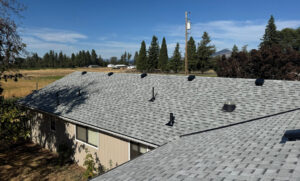
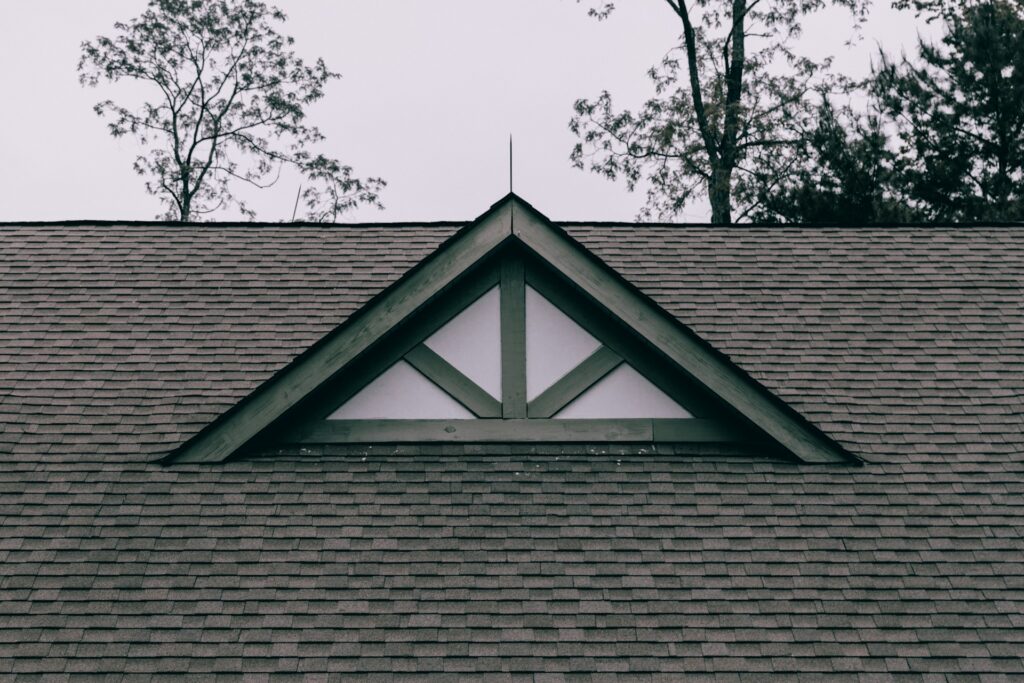
In some older neighborhoods in Medford or in rural areas around Grants Pass, you may still find older Class C or even unrated roofs. If you own a home with these lower-rated materials, you might consider upgrading to fire resistant shingles that meet Class A standards. Modern roofing materials, including certain asphalt shingles, metal roof systems, and tile, often carry a Class A rating when properly installed.
The Rogue Valley’s Specific Wildfire Risk Profile
Southern Oregon’s Rogue Valley is no stranger to wildfires, with Jackson County and portions of Douglas and Josephine Counties designated as high-risk areas by the Oregon Department of Forestry. These designations come from a combination of factors:
- WUI Zones: Many Medford-area communities border forested or rural regions, making them part of the Wildland-Urban Interface.
- Wind Patterns: Summer winds funnel through the valley, allowing embers to travel long distances.
- Drought Conditions: Ongoing drought can dry out vegetation, creating perfect wildfire fuel.
The infamous Almeda Fire in 2020 was a stark reminder of how quickly a wildfire can sweep through communities like Phoenix and Talent. Embers repeatedly jumped well ahead of the wildfire’s immediate flame front, igniting homes, businesses, and outbuildings that weren’t prepared.
By installing or upgrading to a Southern Oregon Class A roofing system, sealing rooftop gaps, and eliminating other vulnerabilities, you dramatically reduce the odds of your home joining future wildfire statistics. Being proactive is far more cost-effective and safer than facing the aftermath of a destructive wildfire with an unprepared roof.
Skylights and Wildfire Risk: What Most Homeowners Don’t Know
The idea of a skylight is often associated with bright natural light and a sense of openness. Yet common skylights can be a hidden risk during intense wildfires:
- Ember Entry: Cracks or gaps around the skylight curb can allow embers to slip right into your attic space.
- Radiant Heat: Standard-grade skylight glass may fracture under intense heat, creating a direct opening for flames or smoldering debris.
- Shingle Overlap: If shingles overlap incorrectly around the skylight, you could have small, concealed entry points that airborne embers look for.
One solution is to install fire-rated skylights with tempered glass or even multiple panes, designed specifically for high-heat scenarios. A properly sealed curb assembly further reduces the chance of embers sneaking inside. Our team at Homemasters Southern Oregon regularly upgrades skylight systems and ensures they complement the rest of your wildfire-resistant roofing. Learn more about our skylight services.
What to Look For in a Post-Winter, Pre-Fire-Season Roof Inspection
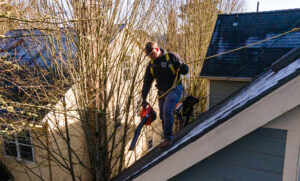
Springtime in Southern Oregon, particularly around March or April, is an opportune moment to schedule a professional roof inspection. Winter storms, heavy rains, or snow can leave behind damage that becomes hazardous during wildfire season. Here’s a basic checklist:
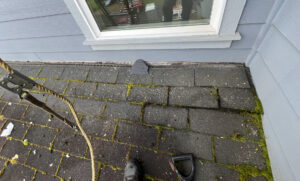
- Shingle Condition: Look for lifted, cracked, or blistered shingles that can open up pathways for embers to settle.
- Flashing and Seals: Gaps around chimneys, vents, and skylights allow both water and embers to intrude.
- Debris Buildup: Leaves, pine needles, and branches accumulate in roof valleys and gutters. During a fire, these act like kindling.
- Skylight Frames: Confirm that skylight sealants haven’t deteriorated, exposing vulnerabilities.
- Ridge Vents and Soffits: Make sure all vent covers and screens are intact, as embers often enter through these small openings.
Once any winter-related damage is identified, you’ll have ample time to correct it before wildfire conditions peak, usually around July to September. If you notice anything that suggests more significant issues, a local Medford roofing contractor can guide you toward the best mitigation strategies.
How HomeMasters Southern Oregon Approaches Wildfire-Resilient Roofing
At Homemasters Southern Oregon, we’ve seen firsthand the damage that wildfires can cause, both during the events and in their aftermath. Our approach to wildfire-resilient roofing combines proven materials with meticulous installation procedures:
- Class A Materials First: Whether you want fire resistant shingles or a sleek metal roof, we prioritize the highest fire rating possible. We ensure each roofing component works together for maximum ember resistance.
- Skylight Upgrades: If your home features one or more skylights, we offer tempered glass skylights and fire-rated curb assemblies. Proper sealing around the skylight prevents heat damage and ember infiltration.
- Detailed Inspections: Before we start any project, we conduct a thorough inspection to identify potential ember entry points, vulnerabilities from winter weather, and other concerns.
- Maintenance Tips: Even a Class A roof needs upkeep. We offer maintenance advice and routine inspections to keep your roof in optimal shape as conditions evolve in the Rogue Valley.
A wildfire-ready roof doesn’t guarantee a one-size-fits-all solution, but it significantly reduces the risk of catastrophic ember intrusion. By collaborating with experts who know the local environment and code requirements, you strengthen your home’s odds of surviving a severe fire event.
Ready to Prepare for Wildfire Season?
Protect your Medford, Ashland, or Grants Pass home before conditions peak. Call Homemasters Southern Oregon at (541) 240-8977 for a free roof and skylight inspection.
Frequently Asked Questions
What type of roof is best for wildfire protection in Southern Oregon?
A Class A fire-rated roof is widely regarded as the best option. Materials such as fiberglass asphalt shingles (with the right underlayment), metal roofing, and certain tile products can achieve a Class A rating. Proper installation is crucial, as gaps or improperly sealed flashing can reduce your roof’s effectiveness against embers.
Are skylights a fire risk during wildfires?
Yes, standard skylights can be a weak point if not installed or maintained properly. Ember intrusion and radiant heat can crack or compromise the skylight. Choosing fire-rated skylights with tempered glass and ensuring tight seals around the curb can greatly reduce this vulnerability.
Does Homemasters serve Ashland and Grants Pass?
Absolutely. HomeMasters Southern Oregon provides roofing services not only in Medford but also in surrounding communities like Ashland, Grants Pass, Central Point, Phoenix, and beyond. Visit our Southern Oregon location page for more details.
What is a Class A fire-rated roof and do I need one in Medford?
A Class A rating signifies the highest level of flame and ember resistance. In Medford and the broader Rogue Valley, wildfire risk maps from the Oregon Department of Forestry often highlight areas where Class A roofing is strongly recommended or even required. A professional roofing inspection can determine your current roof’s rating and provide recommendations for upgrades.
Strengthen Your Home Before Wildfire Season Arrives
Preparing your roof for wildfire season is a practical, potentially life-saving investment for your property and your peace of mind. From Class A roofing materials to specialized skylight upgrades, each step you take can help ward off embers, heat, and unforeseen ignition points.
Homemasters Southern Oregon stays current on local building codes, emerging fire safety technologies, and best practices in our changing climate. We’re proud to serve homeowners across Southern Oregon, helping them maintain roofs that can better withstand the challenges of the Rogue Valley’s wildfire seasons.
If you’d like to learn more about wildfire resistant roofing in Medford, Oregon, or schedule an inspection, reach out to our team at (541) 240-8977. Early action is the safest and most cost-effective way to protect your home from the unexpected.Is your Southern Oregon roof fire-ready? Book your free inspection today.