Key Takeaways
- Fire season in Southern Oregon begins in earnest in June with peak risk running July through October across Jackson and Josephine Counties.
- Your roof is the most critical wildfire vulnerability on your home because embers travel ahead of fire fronts and land on roof surfaces where they can ignite combustible materials.
- Metal roofing provides the highest available fire resistance for Rogue Valley homes because the material itself does not combust, giving homeowners in WUI zones a meaningful structural advantage.
- Pre-fire-season roof preparation can meaningfully increase your home’s defensibility even without full replacement, through debris clearing, vent protection, and ember entry point elimination.
- HOMEMASTERS Southern Oregon serves Medford, Ashland, Grants Pass, Jacksonville, Central Point, Talent, Phoenix, Eagle Point, Applegate, Shady Cove, Gold Hill, and Rogue River with Class A roofing installation. Call (541) 240-8977.
HOMEMASTERS Southern Oregon serves Rogue Valley homeowners with Class A fire-rated roofing solutions. Call (541) 240-8977 for your free assessment before fire season peaks.
In Southern Oregon, fire season is not an abstract threat. Residents of Talent, Phoenix, and the surrounding communities lived through the consequences of the 2020 Almeda Fire with direct and devastating clarity. Thousands of homes were lost in a matter of hours as embers carried far ahead of the fire front and ignited structures throughout communities that had little warning and less time.
The most important structural protection a Rogue Valley homeowner can invest in before another fire season is a Class A fire-rated roofing system. Here is what that means, what it does, and what you can do right now to increase your home’s defensibility for the fire season that begins this month.
How Wildfires Actually Ignite Structures in the Rogue Valley
Understanding the ignition pathway is essential to understanding why roofing choices matter so much for wildfire defensibility.
Research by the Insurance Institute for Business and Home Safety has established that the vast majority of home losses during wildland fire events occur not from direct flame contact but from ember ignition. Burning embers travel ahead of the fire front, sometimes for miles, and land on surfaces throughout neighborhoods. The most vulnerable landing zones are roof surfaces, gutters full of organic debris, and the gaps at eave lines where embers can penetrate into attic space.
A roof covered in combustible organic debris, with gaps at the eave line or at roof vents, with wood shingles or aging asphalt shingles that have lost their fire-resistant properties, is a collection surface for ignition sources. A roof that removes those vulnerabilities dramatically reduces the home’s ignition probability from the same ember exposure.
Class A Roofing Materials: What They Are and Why They Matter
How Class A Fire Ratings Work
Class A is the highest fire resistance rating established by ASTM testing standards for roofing materials. It measures resistance to flame spread, burning brand exposure, and intermittent flame exposure. Class A materials are the most resistant to fire ignition and spread of any commercially available roofing product. Class B and Class C products provide progressively lower levels of protection.
Metal Roofing: The Gold Standard for WUI Zones
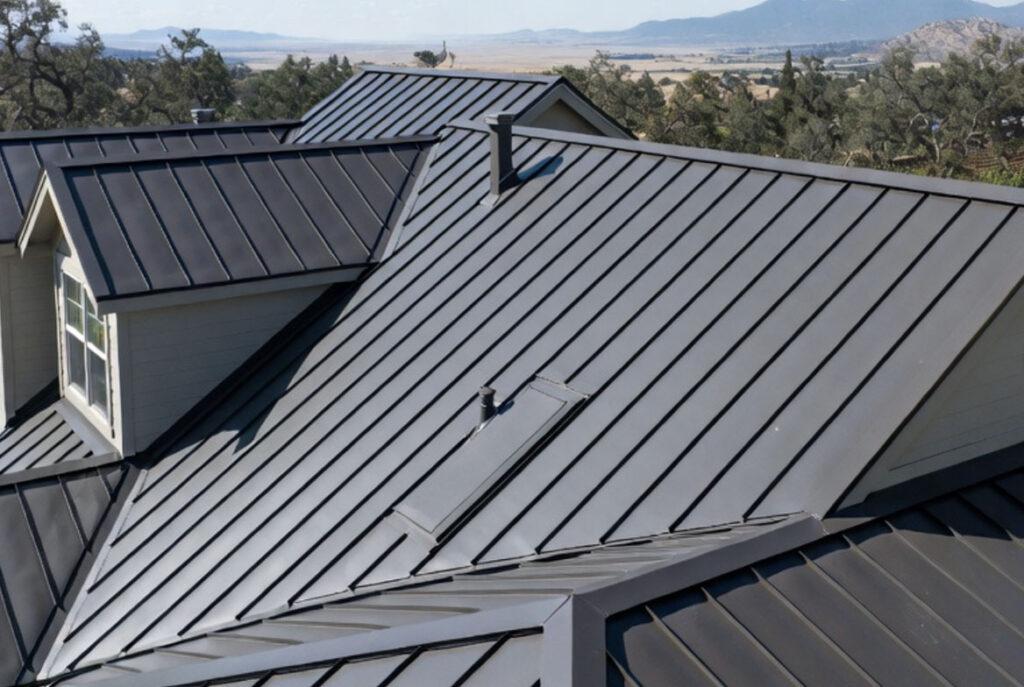
Metal roofing materials, including standing seam steel and aluminum panels, are inherently non-combustible. Metal does not have a fire rating per the ASTM class system because it simply does not support combustion at all. This makes metal roofing the strongest available structural protection against ember ignition on any Rogue Valley home.
For homeowners in or near WUI risk zones around Applegate, the Rogue River corridor, the Ashland foothills, and the communities east of Medford toward Eagle Point and Shady Cove, metal roofing is the most defensible choice available. See HOMEMASTERS Southern Oregon roofing options here.
Class A Asphalt Shingles
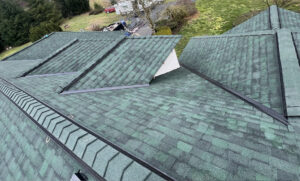
Class A asphalt shingles installed over solid decking with appropriate underlayment provide strong fire resistance and are the most accessible Class A roofing option from a cost standpoint. These products have been tested to resist ignition from burning brand exposure and limit flame spread even under sustained ember contact. For homeowners who are replacing a roof this summer, upgrading to Class A impact and fire-rated products is a meaningful investment in defensibility.
Pre-Fire-Season Roof Preparation Steps for Rogue Valley Homeowners
Even without a full roof replacement, there are meaningful preparation steps that reduce your home’s fire vulnerability before peak season.
Clear All Roof and Gutter Debris
Leaves, pine needles, and other organic debris accumulating on roof surfaces and in gutters are direct fire fuel. A roof surface free of organic material removes the landing zone for embers that would otherwise find combustible material immediately upon contact. Gutter cleaning and roof surface clearing as a pre-fire-season service is something HOMEMASTERS Southern Oregon provides throughout the Rogue Valley.
Inspect and Address Eave and Vent Gaps
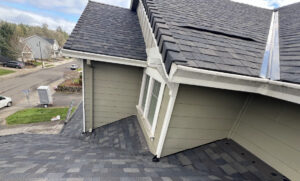
Eave lines and roof vents are primary ember entry points into attic space. Metal drip edge that closes the gap between the bottom edge of the roof deck and the gutter significantly reduces ember penetration at the eave line. Ember-resistant vent covers replace standard mesh vent screens that allow ember passage. Both of these are targeted improvements that provide meaningful defensibility value independent of roofing material type.
The Oregon Department of Forestry Wildfire Risk Map
The Oregon Department of Forestry maintains wildfire risk assessments for all Oregon properties that are freely accessible to homeowners. Checking your property’s current risk classification is the first step in understanding your defensibility needs. Properties in high or extreme risk classifications are candidates for the most aggressive roofing and ember protection upgrades.
Is your Rogue Valley roof ready for fire season? Get a free HOMEMASTERS assessment today. HOMEMASTERS Southern Oregon serves Medford, Ashland, Grants Pass, Jacksonville, Central Point, Talent, Phoenix, Eagle Point, Applegate, Shady Cove, Gold Hill, and Rogue River. Call (541) 240-8977 or visit homemasters.com.
Frequently Asked Questions: Wildfire Roofing in Southern Oregon
Metal roofing and Class A rated asphalt shingles over solid decking are the most fire-resistant standard residential roofing options available in Southern Oregon. Metal roofing carries the highest inherent fire resistance because the panel material does not combust. Call HOMEMASTERS Southern Oregon at (541) 240-8977.
Jackson County and Josephine County maintain wildfire risk maps updated by the Oregon Department of Forestry. Many communities around Medford, Ashland, Grants Pass, Eagle Point, Applegate, and Shady Cove are classified in moderate to high WUI risk zones. Call HOMEMASTERS Southern Oregon at (541) 240-8977 for a free roofing defensibility assessment.
Key pre-fire-season steps include clearing all organic debris from the roof surface and gutters, ensuring no gaps at eaves or vents where embers can enter, and installing metal drip edge and ember-resistant vent covers where not already present. Call HOMEMASTERS Southern Oregon at (541) 240-8977 for a full defensible space roofing assessment.
Yes, within limits. Class A roofing provides the highest available resistance to ignition from ember contact and radiant heat, which are the primary ignition pathways in most structure losses during wildland fires. No roofing material is completely impervious to direct flame contact, but Class A materials significantly extend defensibility time. Call (541) 240-8977.
Yes. HOMEMASTERS Southern Oregon can assess, plan, and complete roofing replacement projects with Class A fire-rated materials. June is an important month to act given that peak fire season in Southern Oregon typically runs July through October. Call (541) 240-8977 immediately to get on the schedule.
This Month: Get $1,000 Off and Free Gutters With Your Roof Replacement Call HOMEMASTERS Southern Oregon at (541) 240-8977 or visit homemasters.com to take advantage of this limited-time offer.