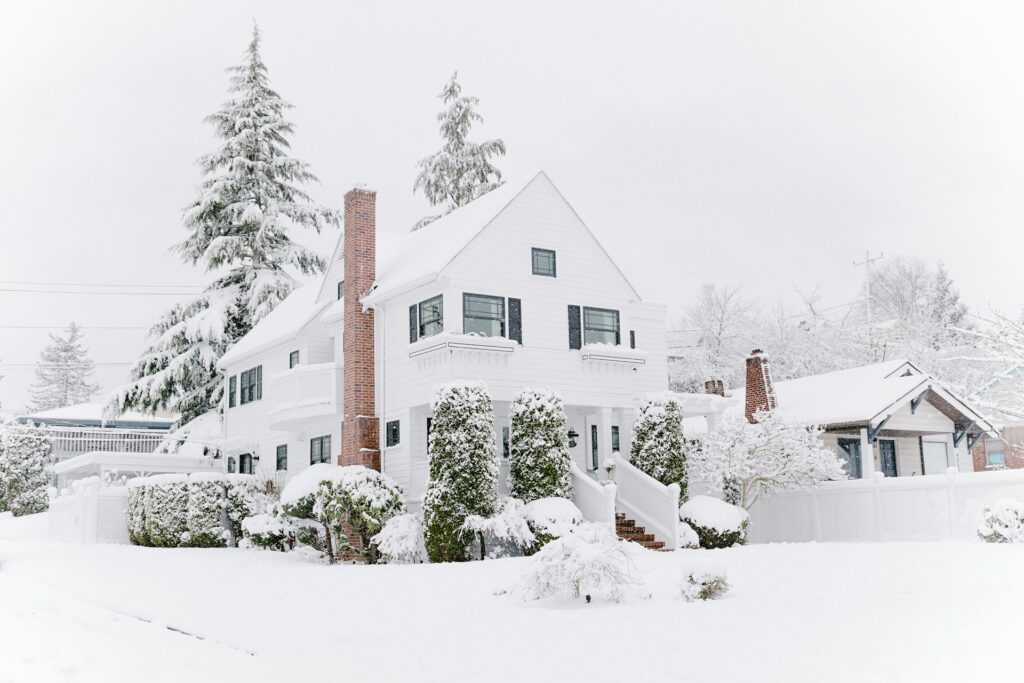
When gentle flurries turn into blustering winter storms, homeowners across Central Oregon often wake up to blankets of snow accumulating on rooftops. In Bend, this seasonal spectacle is not only part of the city’s charm – it’s also a reminder of the importance of roof integrity and structural safety. The question many locals find themselves asking is, “How much snow is too much for my roof?”
In this guide, we explore how to recognize when your roof is coming close to its structural limits. You’ll discover actionable tips for preventing roof damage, learn what warning signs to watch for, and know when it’s time to call a professional roofing contractor for help. By the end, you’ll have a clear vision of how to ensure your home stays safe, stable, and ready to handle the unique demands of Bend’s snowy climate.
Why Snow Load Matters in Bend
Central Oregon’s Unique Climate
Bend sits at a high desert elevation where winter temperatures can fluctuate wildly. Snowfalls often arrive in force, accumulating faster than many newcomers expect. Over the course of a single winter storm, several inches – or even feet – of dense snow can weigh down a roof.
Local building codes are designed with these fluctuations in mind, yet code requirements generally represent a baseline. Older structures, changes to roof components over time, or unexpected weather extremes can mean that even if your property was up to code at construction, the actual demands might exceed its capacity.
The Concept of Snow Load
Snow load refers to the downward pressure exerted by the snow resting on a roof. Wet, heavy snow exerts a significantly greater load than the lighter, powdery flurries typical of early-season storms. When snow accumulates over multiple storms without melting, these layers can build into a considerable burden.
This approach to understanding load is dynamic and ever-evolving – much like the weather itself. Roofs must adapt in real time, supporting not only snow but also ice layers. A well-maintained roof can often handle these loads, but even the sturdiest materials face stress if the snowfall is unexpectedly heavy or prolonged.
Potential Risks of Excessive Snow Accumulation
Structural Stress
When too much snow piles up, the immense weight can stress structural elements like rafters, trusses, and support beams. Over time, this tension weakens essential components, akin to bending a paper clip repeatedly until it snaps. While roofs are designed to flex slightly, repeated or extraordinary loads invite costly issues such as:
- Cracks in walls or ceilings.
- Visible sagging of the roof’s surface.
- Damage to insulation and interior drywall.
Ice Dams and Water Intrusion
Another hazard involves ice dams. These form when warm air inside your attic causes the lower layers of snow to melt. This melted snow trickles toward the edges of your roofline, refreezing as it meets colder surfaces. Over time, a dam of ice blocks additional meltwater, forcing water to seep beneath shingles, and often into the attic itself.
Water intrusion from ice dams not only deteriorates roofing materials; it also invites mold growth inside your home. This chain reaction exemplifies a key concept of organic growth – issues on your roof can balloon into extensive household problems if not managed in a proactive, fluid manner.
Sudden Roof Failure
While total roof collapse is rare, it’s not unknown in areas like Bend. A dramatic event like an intense, record-breaking snowstorm could push an already-stressed roof past its limits. Most roof systems give telltale warnings before failure, but if these signals go unseen or unheeded, partial or total collapse can occur.
How to Assess Snow Load on Your Roof
Visual Inspection
A first step is simply looking at your roof from a safe vantage point – perhaps out a second-story window or from ground level with binoculars. Make note of:
- Any visibly bowed or sagging sections beneath large snow patches.
- Icicles or ice dams around gutters and eaves.
- Cracked or missing shingles, which could let moisture linger.
If you spot any alarming signs like major dips in ridgelines or fracturing supports, consult a professional immediately.
Estimating Snow Weight
A rough way to gauge snow weight is through some basic measurements:
- Take a core sample of snow from your roof (if safely accessible) or from a spot on the ground that matches roof conditions.
- Measure the depth (in inches) and weigh that sample.
- Multiply the weight by the total estimated area of your roof.
Bear in mind that wet snow can weigh up to three times more than light, powdery snow, so a single formula can’t always capture the exact load.
Snow Weight Reference Guide
Most residential roofs in Bend are designed to handle 25-40 lbs per square foot of snow. When accumulation approaches these thresholds, it’s time to take action.
The City of Bend’s building guidelines (https://www.bendoregon.gov/government/departments/community-development) provide insights into how designers accommodate local snow loads. Checking these resources offers a sense of the standards your roof may be expected to meet.
Professional Analysis
In many instances, the only guaranteed way to measure snow load precisely is by bringing in a qualified roofing contractor or structural engineer. HomeMasters offers professional roof inspections throughout Central Oregon. These experts understand Bend’s typical snow profile and can evaluate your roof’s design, factoring in aspects like rafter spacing, truss design, pitch, and any special features such as dormers or chimneys. Professional assessments typically include:
- Comprehensive inspection of attic and roof structure.
- Moisture and mold evaluation.
- Onsite calculations correlating snow density to actual roof load capacity.
For extreme situations, a professional might temporarily remove some snow for a direct reading of the deeper layers, ensuring no hidden ice lenses or packed snow pockets are missed.
Recognizing Warning Signs in Real Time
Staying alert to potential red flags allows you to act before the situation becomes dire. Key indicators include:
- Creaking or popping sounds: Occasional noises are normal as temperatures shift, but persistent or loud pops can signal structural distress.
- Interior wall cracks: Keep an eye on walls where ceilings meet. New cracks or gaps in this area may point to shifting load.
- Hard-to-open doors or windows: If an interior door suddenly scrapes against its frame, settling or shifting might be at play.
- Leaking or stained ceiling: Water stains or drips often mean snowmelt is finding a path through compromised materials.
- Visible beam deflection: In attics, noticeable sagging or warping of beams is a major sign of undue stress.
Think of these warnings as a real-time adaptation signal; your roof is “speaking,” letting you know it needs relief or reinforcement. Avoid ignoring these messages.
Safe Techniques for Removing Snow
DIY Precautions
If you choose to clear your roof independently, proceed with utmost caution. Working on steep or slippery surfaces heightens the risk of injury. A few recommended approaches:
- Use a roof rake: Long-handled snow rakes let you remove deposits from the ground. Choose a design with a smooth edge or roller to prevent roof damage.
- Never chop ice: Hitting an ice dam with a hammer or shovel can break shingles, gutters, and flashing. Instead, focus on melting the ice gently or contacting a professional for specialized removal.
- Dress for safety: Combine warm, flexible clothing with anti-slip footwear.
- Work in small sections: Removing snow evenly across sections of your roof mimics a harmonious integration, preventing uneven weight shifts.
Professional Snow Removal
For tall structures, steep slopes, or particularly heavy accumulations, a roofing expert’s help is invaluable. Professional teams bring specialized tools and adhere to industry best practices. They also recognize ways to avoid damaging shingles and flashing during the removal process.
Hiring a professional can save time and reduce the possibility of accidents. When the snowpack is extensive, contractors often remove snow carefully in layers, so the roof faces minimal abrupt changes. This ensures the structure remains balanced, a fluid process that aligns with real-time adaptation – removing snow gradually rather than in large, destabilizing chunks.
What to Do When You Notice Warning Signs
If you start hearing persistent creaking or notice new cracks appearing in walls or ceilings during heavy snow, don’t dismiss these as normal settling sounds. Here’s a practical response:
First, assess from inside: Check your attic (if you can access it safely) for any visible bowing in beams or rafters. Look for moisture, frost on nails, or compressed insulation – all signs of stress.
Second, reduce the load if safe to do so: If snow accumulation is significant and you can safely use a roof rake from the ground, removing some snow from the eaves can help. Never climb onto a snow-covered roof.
Third, call a professional: A roofing contractor can assess whether the structural concerns are serious or if you’re dealing with normal expansion and contraction. They have the equipment to safely evaluate and address problems you can’t see.
The key is responding to warning signs before they escalate. A roof that’s showing stress can often be reinforced or supported, but only if you catch it in time. Waiting until spring – or until something gives way – turns a manageable repair into a major project.
Balancing Prevention and Preparedness
Annual Roof Inspections
A key to staying ahead of snow load issues is consistent maintenance. Schedule an inspection before winter sets in, ideally during the fall. A professional will check:
- Condition of shingles or metal panels.
- Attic insulation levels (to minimize ice dam formation).
- Gutter health and drainage flow.
- Adequacy of ventilation to reduce internal heat buildup.
Annual or biannual inspections resemble organic growth in knowledge – new insights each season allow you to refine your maintenance strategy.
Reinforcing Structural Integrity
Older homes or roofs that have experienced repeated stress often benefit from structural modifications. This might include adding extra trusses or installing ridge straps. While remodeling for enhanced support demands an upfront investment, it’s a long-term safeguard against Bend’s sometimes tumultuous winters.
Emergency Plans and Resources
In a region prone to varying winter weather, preparing for worst-case scenarios is wise. Keep a list of local emergency services and roofing specialists on hand. Stay updated on storm forecasts via the National Weather Service (https://www.weather.gov/) and consider installing a waterproof barrier or secondary insulation layer in vulnerable areas. Having a plan for safe snow removal – be it a roof rake or a pre-established arrangement with a contractor – helps you navigate sudden weather shifts with confidence.
When to Contact a Bend Roofing Contractor
- Excessive Accumulation If you’re uncertain about safely removing thick, heavy snow, a roofing contractor can tackle the job without risking damage to your roof or personal injury.
- Visible Structural Warning Signs New cracks, interior leaks, or sagging beams call for an immediate professional assessment. Early detection can prevent costly repair bills down the road.
- Ice Dams and Persistent Moisture If you notice icicles or standing water on your roof edges, specialized techniques might be needed to remove ice and improve airflow in the attic.
- Preventive Reinforcement For older or vulnerable properties, a contractor can offer recommended reinforcements, boosting your roof’s resilience against future storms.
Ultimately, contacting a professional is an act of real-time adaptation in action. By seeking expert guidance, you’re ensuring your roof remains strong and flexible in the face of shifting weather patterns.
Building a Resilient Future
Snow loads in Central Oregon represent a natural phenomenon that requires careful observation and timely action. With regular inspections, timely snow removal, and an embracing of continuous learning about how your roof behaves in winter, you create a home environment that’s both comfortable and secure.
Just as Bend’s landscape evolves seamlessly – flowing from distant mountains to high desert plateaus – your approach to roof care should move with similar fluidity. Adapt to the season, reinforce what needs extra support, and address small hazards before they become large-scale problems. In doing so, you nurture a harmonious integration between your home and the elements, ensuring you’ll be ready for whatever the next snowfall brings.While no one can control how much snow piles up in a Bend winter, you can certainly control how prepared you are to handle its weight. With each passing season, sharpen your attentiveness, gather new insights, and strengthen that foundation of safety. By integrating swift action with fluid, ongoing roof maintenance, you’ll see the everyday reality of your roof shift from a source of concern to a testament of sturdy, confident resilience.