Winter in Southern Oregon brings breathtaking snowy views to Ashland and Klamath Falls. But ice dams pose a serious threat to your home’s roof, causing water leaks, structural damage, and costly repairs. Understanding how ice dams form and taking preventive action now can protect your home throughout the winter season.
In this guide, you’ll discover exactly how ice dams develop, why Southern Oregon homes face unique risks, and proven steps to keep your roof safe. Whether you’re dealing with an existing problem or want to prevent future issues, HomeMasters’ Southern Oregon roofing team is here to help.
Understanding Ice Dams
An ice dam is a ridge of ice that typically forms along the overhang or eaves of a roof. It occurs when heat travels through the attic and warms the underside of the roof, causing snow on top to melt. The melted water then drips down to the colder edges of the roof, refreezes, and builds up layer by layer.
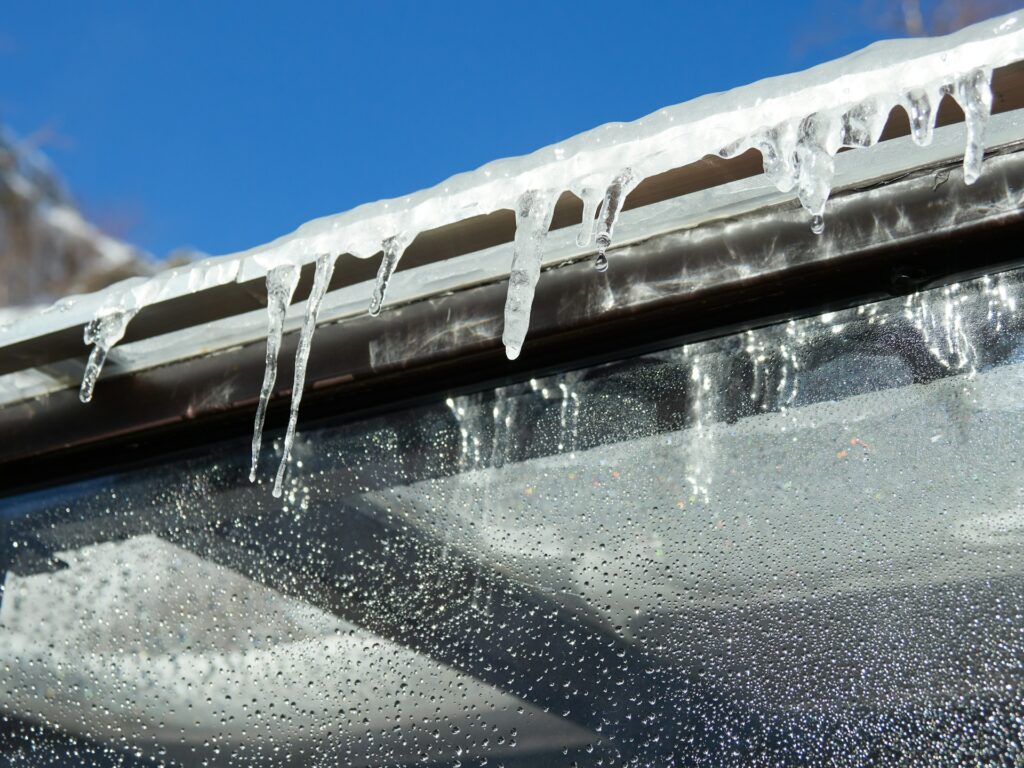
Once this cycle repeats enough times, a sizable mound of ice can form around your gutters. As more melted snow hits that icy dam, water starts to pool behind it. With nowhere else to go, that water can seep under shingles or behind siding, creating hidden leaks inside your home.
Why This Happens
- Warm attic air heats the roof surface, melting snow.
- Melted water trickles down to the colder roof edges.
- Water refreezes at the edges, creating barriers of ice.
- Additional water accumulates behind these barriers, pushing under roofing materials.
This process is often invisible until you see telltale signs: drips in the attic, water stains on ceilings, or large icicles hanging from the eaves. By that point, you might already face structural damage and the risk of mold or mildew.
The Southern Oregon Challenge
Ashland and Klamath Falls, both perched at higher elevations, often see significant snowfall and temperatures that fluctuate around the freezing mark. While the early mornings might be icy, midday sun can cause partial snowmelt before refreezing around dusk. This repeated freeze-thaw cycle makes these communities prime targets for ice dams.
Climate Factors
- Variable Daytime Temperatures: Quick shifts from sunny to cold increase the frequency of melting and refreezing.
- Snow Accumulation: Even moderate accumulations become problematic when the thaw-refreeze cycle repeats.
- Prolonged Winters: In higher elevations, conditions for ice dam formation can last weeks or even months.
When roofs constantly heat and cool throughout winter, excess meltwater repeatedly tries to exit through gutters and downspouts. If temperatures remain low around the roof’s edge, that runoff solidifies, creating a perfect recipe for an ice dam.
Why Ice Dams Are Problematic
Ice dams can be deceptively destructive. A sparkling line of icicles might look pretty at first glance, but behind that winter charm may lurk serious home damage. Addressing ice dams early goes beyond ensuring your comfort, it can save considerable repair costs down the road.
Potential Damage
- Roof Leaks: Pooled water can seep into crevices and find gaps in shingles. Over time, this leads to rot and compromised structural integrity.
- Insulation Damage: Once water penetrates the attic, insulation can become saturated, losing its effectiveness to regulate temperatures.
- Mold and Mildew: Trapped moisture fosters mold growth, which can trigger respiratory issues and degrade wooden supports.
- Gutter Damage: The added weight of ice can bend or detach gutters, requiring expensive repairs or replacements.
Water damage also tends to spread quickly through walls and ceilings, sometimes leading to peeling paint, warped surfaces, and persistent interior leaks. In extreme cases, homeowners face partial roof collapse or severe structural issues if ice dams remain unaddressed.
Three Common Causes
Preventing ice dams often begins with identifying the underlying conditions. While every home is unique, three primary factors frequently accelerate ice dam formation in Ashland and Klamath Falls.
| Root Cause | How It Creates Ice Dams | Warning Signs | Solution |
|---|---|---|---|
| Poor Attic Ventilation | Warm air accumulates, heats roof deck, melts snow | Stuffy/humid attic, condensation on rafters, hot summer attic | Install soffit and ridge vents for balanced airflow |
| Insulation Gaps | Heat escapes to attic, warms roof from underneath | Uneven snow melt, high heating bills, cold spots in rooms | Upgrade insulation to R-38 to R-60, seal air leaks |
| Snow Load Build-Up | Repeated melt/refreeze cycles create ice barriers | Heavy accumulation, icicles at eaves, sagging gutters | Use roof rake, schedule professional snow removal |
1. Poor Attic Ventilation
Your attic should maintain stable, cooler temperatures to keep snowfall from melting too quickly on the roof. Inadequate airflow allows warm air to accumulate, heating the roof deck. That warmth transforms snow into water, which can refreeze at the edges.
Signs of Insufficient Ventilation
- Stuffy or humid air when you enter your attic
- Condensation forming on rafters or insulation
- Extra hot attic spaces during summer (an indication that airflow is compromised)
In many Southern Oregon homes, older or blocked vents don’t adequately circulate air. Upgrading ventilation is therefore one of the most important steps in ice dam prevention.
2. Insulation Gaps
Insulation, typically material placed on the attic floor, is meant to reduce heat transfer from living spaces below. When the insulation is weak or has gaps, warm air escapes into the attic and heats the roof from underneath. This accelerated warming causes the snow to melt faster than it should.
Common Culprits
- Damaged insulation in older homes
- Inadequate insulation thickness or coverage
- Seasonal shifting or settling of insulation materials, leaving exposed spots
When a home’s insulation is sufficient, the roof surface remains closer to the outside temperature, slowing the Freeze-Thaw cycle and reducing the risk of ice dams.
3. Snow Load and Build-Up
Southern Oregon might not get the same level of snowfall as some mountain regions, but it can still accumulate on rooftops. Once you have a few inches of snow, repeated cycles of daytime melting and nighttime freezing are in full effect.
Issues with Over-Accumulation
- Heavy weight on roofs, straining structural supports
- More meltwater collecting at the edges, increasing the likelihood of freeze-ups
- Excess moisture draining into already cold gutters and downspouts, forming blockages
Many homeowners underestimate how quickly a small snowfall can turn into a large problem. Even a few inches of compacted, partially melted snow re-freezing each night can create an ice dam that grows bigger with each new storm.
Prevention Steps
Being proactive can make an enormous difference in protecting your roof from ice dams. Even small changes in how your attic is insulated or vented can help you sidestep expensive headaches later.
Inspection and Maintenance
–Schedule a Winter Roof Inspection: HomeMasters’ professional roofing team can identify early warning signs before they become expensive problems. –Clean Gutters and Downspouts: Remove all leaves and debris before the first freeze so water drains properly. –Monitor Attic Temperatures: Use a thermometer to check for heat buildup that could melt snow prematurely.
Ready for a professional assessment? Contact HomeMasters in Southern Oregon today to schedule your winter roof inspection and protect your home before the next storm.
Ventilation Upgrades
Proper ventilation keeps your attic temperature close to outdoor temperature, preventing premature snow melt. Key solutions include:
–Soffit and Ridge Vents: Allow continuous airflow from eaves to roof peak. –Attic Fans: Boost natural ventilation in older homes with limited airflow.
Better Insulation
Insulation blocks heat transfer from your living space to the attic. According to the U.S. Department of Energy, proper insulation can significantly reduce ice dam risks:
–Seal Gaps: Use expanding foam around light fixtures, vents, and attic access points. –Check R-Value: Southern Oregon homes typically need R-38 to R-60 attic insulation. –Add Layers: Upgrade thin or damaged insulation to meet recommended levels.
Snow Management
While it’s tempting to climb a ladder and remove snow yourself, be very cautious. Working on an icy roof is dangerous, and improper snow removal can also damage shingles. Instead:
- Use a Roof Rake from the Ground: A long-handle roof rake can pull excess snow off the eaves while you remain safely below.
- Remove Excess Snow: Aim to clear about the lower three to four feet of the roof to reduce the risk of ice formation along the edges.
- Don’t Chip Ice: Chipping away at hardened ice can cause shingle damage and loosen granules, creating new areas for water to seep in.
If the buildup looks significant, or you feel unsafe performing the work, calling a professional for roof repair in Ashland OR or Klamath Falls OR is always the safest option.
Safety Concerns with DIY Removal
People rarely consider how heavy or dense compacted snow and ice can be. Attempting to remove ice dams yourself poses considerable risks, especially if ladders or rooftops are slippery. Falls, roof damage, or personal injury can happen in an instant.
When to Call a Professional
- More than a few inches of compacted snow or ice have accumulated.
- You notice leaks or significant moisture inside your home.
- Your home has a steep or high roof that is difficult to access.
Professional roofing contractors in Southern Oregon, such as Homemasters, are trained to handle icy conditions safely and efficiently. They also have specialized tools, like steamers and protective equipment, that minimize damage to roofing materials.
Long-Term Solutions for Permanent Protection
While temporary fixes like heat cables and snow removal help in emergencies, permanent solutions address the root causes of ice dams. A properly designed roof system combines ventilation, insulation, and waterproof barriers to eliminate ice dam formation.
Balanced Ventilation and Insulation
Your attic should stay cool while living spaces remain warm. This prevents roof deck heating that melts snow:
–Upgrade Ridge and Soffit Vents: Creates continuous airflow through the attic.
–Seal Attic Floor: Prevents warm air leaks from living spaces below.
–Even Insulation Distribution: Eliminates hot spots that accelerate melting.
According to ENERGY STAR, proper sealing and insulation can reduce heating costs by up to 10% while preventing ice dams.
Ice and Water Shield Protection
When installing or replacing your roof, ice and water shield underlayment is essential. This waterproof membrane goes beneath shingles along eaves and valleys, creating a barrier that stops water infiltration even if ice dams form. HomeMasters’ roofing experts install this critical protection layer on every Southern Oregon roof project.
Work with Southern Oregon’s Trusted Roofing Experts
Preventing ice dams requires year-round roof maintenance and local expertise. HomeMasters’ Southern Oregon team understands Ashland and Klamath Falls’ unique freeze-thaw patterns and provides:
–Regional Climate Expertise: Solutions designed for Southern Oregon winters.
–Code Compliance: All work meets local building standards.
–Seasonal Maintenance: Preventive inspections before winter arrives.
Take Action Before the Next Storm
Ice dams can develop quickly after a single snowfall. Don’t wait for ceiling leaks or water damage to appear. Here’s what to do now:
–Inspect Your Attic: Check insulation levels and look for moisture or mold.
–Examine Your Roof: Watch for ice buildup or snow that won’t melt.
–Schedule an Assessment: Contact HomeMasters for a professional winter roof inspection.Protect your Southern Oregon home today.Get a free roofing assessment from HomeMasters and enjoy peace of mind all winter long. Our local experts will evaluate your roof, identify ice dam risks, and recommend proven solutions to keep your home safe and dry.