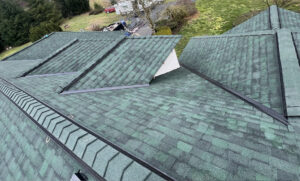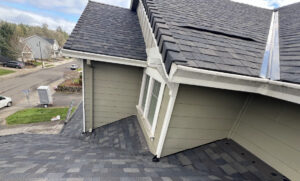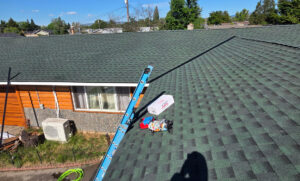
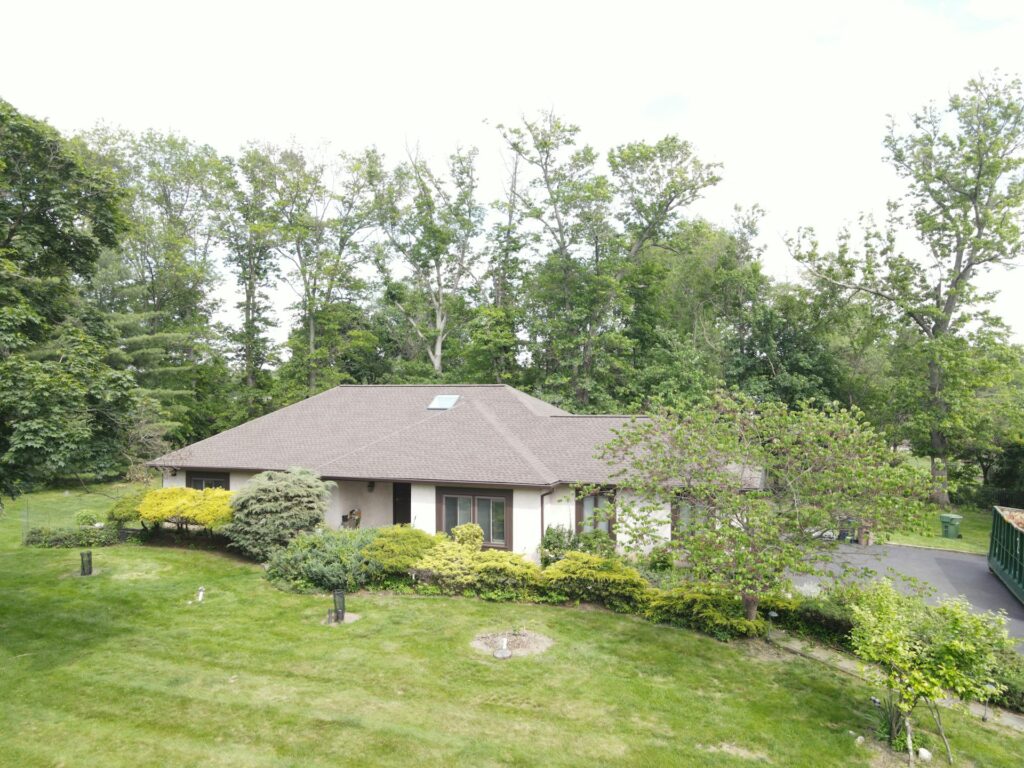
Whether you’re a recent homeowner or have lived in your Vancouver home for decades, strategizing the best possible use for your 2026 tax refund can be both exciting and overwhelming. While visions of a getaway or a splurge may feel rewarding in the short term, there’s an entirely different satisfaction that comes from investing in your greatest asset: your home. And when it comes to longevity, protection, and resale value, a new roof stands out as one of the smartest upgrades you could choose.
Below, we dive into why a roof replacement is such a game-changer in Vancouver, Washington. From assessing local climate considerations to understanding potential returns on your investment, you’ll walk away with clear reasons to earmark that 2026 tax refund for a durable and cost-effective roof.
Why a Roof Replacement Makes Sense in Vancouver
Vancouver homeowners know that Pacific Northwest weather is a tale of many seasons. Rain, humidity, and cooler winters challenge your home’s exterior year-round. Your roof serves as the first line of defense, so it needs to withstand a variety of elements.
- Damp Winters and Heavy Rains Vancouver’s robust rainy season can lead to leaks, mold, or mildew, especially on aging roofs. A new roof built with moisture-resistant materials protects your interior from long-term damage.
- Seasonal Temperature Shifts Washington’s temperature changes from brisk winter nights to mild (and sometimes hot) summer days require roofing systems that maintain energy efficiency. High-insulation materials keep indoor temperatures stable, resulting in lower utility bills.
- Enhanced Resale Potential As the housing market around Portland and Vancouver remains competitive, a brand-new roof can easily become a selling point. Prospective buyers often weigh the age and condition of a roof heavily in their decision, making a fresh installation a compelling advantage.
True Return on Investment
A roof replacement isn’t just an expense. It’s a strategic allocation of funds that safeguards your family and your finances. Many renovations can drain your wallet without offering substantial returns, but a roof is different. Industry data consistently shows that a new roof can recoup a significant portion of its cost when selling a home – often 60% to 70% or more.
A sturdy roof also helps you avoid the cumulative costs that come with neglected leaks or water damage, such as:
- Replacing soaked insulation or dysfunctional drywall.
- Paying for mold remediation in attics or ceiling spaces.
- Painting and repair work that might need to be repeated every few years.
When you factor in all these avoided expenses, the net value of a well-timed roof replacement is hard to overstate.
Understanding Roofing Costs in Vancouver
Roof replacement costs vary based on materials, labor rates, the size and pitch of your roof, and the complexity of the installation. In Vancouver, you can anticipate a moderate range that’s often more affordable than neighboring major cities. Here’s what to keep in mind:
- Material Choice Asphalt shingles remain one of the most popular choices for value and durability, with metal roofing, cedar shakes, and composite shingles also steadily gaining traction. Each material has its own lifespan, aesthetic appeal, and cost parameters.
- Roof Complexity A single-story ranch home with a straightforward pitch will often cost less to roof than a multi-level property with several dormers. The increased labor hours and specialized skills required for a complex roof naturally influence the final figure.
- Local Contractors Roofers in Vancouver typically offer competitive pricing compared to big-city counterparts. Still, it’s important to get at least three bids from different contractors so you can compare not only price but also warranties, timeline, and customer service.
- Energy-Efficient Upgrades While slightly more expensive up front, selecting high-reflectivity shingles or coatings can significantly reduce energy costs. Over time, this choice can save you hundreds of dollars, further supporting the financial wisdom behind a new roof.
For a closer look at roofing materials and potential savings, consider consulting reputable sources like Energy.gov’s Guide to Roof Ventilation and Efficiency or the National Roofing Contractors Association for detailed best practices.
Timing Your 2026 Tax Refund
There’s a reason so many people wait for their tax refund before making a big-ticket purchase: larger lump sums can help you avoid or reduce financing costs. By planning your roof project for early to mid-2026, you’ll have those extra funds on hand to cover expenses without breaking a sweat.
- Reducing or eliminating monthly payments: If your refund covers a substantial portion of your roof, you’re far less likely to need long-term financing.
- Locking in off-season benefits: Some contractors offer better prices in cooler months, thanks to decreased demand. If your roofing company has spring or autumn specials, your 2026 refund could maximize those deals.
- Managing your schedule: Strategize your timeline so the installation happens before the heaviest rainy periods. Whether you opt for a summer installation or early fall, using your refund allows you the freedom to choose an ideal season rather than waiting until the standard roofing high season.
Local Weather Challenges
Vancouver’s climate plays a massive role in your decision to upgrade. Beyond the well-known rainfall, the region can also see plenty of moss or algae growth on older roofs. This buildup adds weight, traps moisture, and accelerates shingle deterioration. Extended dampness can likewise lead to rot concerns, especially in wooden components of your roofing system.
- Moss and Algae Prevention: Modern shingles often come with algae-resistant granules. Investing in these upgraded shingles helps your roof stay clean and resilient, preserving curb appeal and structural integrity.
- Heavy Winds: Occasional gusty conditions in this region mean your roof must be installed with top-quality fasteners and underlayment. A robust roof system withstands wind uplift so you won’t be left with missing shingles on stormy days.
While no roof material is entirely maintenance-free, the technology behind today’s products ensures you’ll have an easier time keeping your roof looking and functioning its best.
Financing Options to Explore
Your 2026 tax refund may cover much of the cost of a roof replacement, but many homeowners still explore financing solutions to spread out expenses. Fortunately, tailored financing is typical in the roofing industry, and there are multiple options:
- Home Equity Loans: Common for major home improvements, these can offer lower interest rates. Eligibility and rates depend on the equity in your home.
- Contractor Payment Plans: Many reputable roofing companies in Vancouver partner with financing institutions to offer manageable monthly payment programs.
- Credit Cards and Promotions: If you have a high credit limit and prefer simplicity, you could fund part of the project with a credit card, especially if you have a promotional rate.
- Government Programs: Low-interest loans or other incentives for green upgrades may be available. Explore local resources or search for federal and state home improvement grants to see whether you qualify.
Even if your plan is to use most – or all – of your tax refund upfront, having financing as a fallback ensures you’re prepared for any unexpected scope changes during the project.
A Practical Approach to Using Your Refund
Here’s how many Vancouver homeowners successfully approach a roof replacement using their tax refund:
- Get an Inspection First: Before committing any funds, have a professional assess your roof’s current condition. This tells you whether you’re looking at a full replacement or if repairs might buy you a few more years. An honest contractor will tell you which option makes sense.
- Use the Refund as a Down Payment: Most roof replacements cost more than a typical tax refund covers. Using the refund as a substantial down payment reduces what you need to finance and often qualifies you for better terms on the remaining balance.
- Consider Energy-Efficient Materials: If you’re replacing anyway, upgrading to reflective shingles or better-insulated underlayment adds minimal cost but can reduce heating and cooling expenses for years to come.
- Time It Right: Scheduling your project for spring or early summer (before the contractor’s busy season peaks) often means better pricing and more flexible scheduling. Your refund typically arrives in time to lock in these windows.
The key is treating the refund as seed money for a planned project, not a windfall for an impulsive decision. When you approach it strategically, the numbers work in your favor.
Choosing the Right Roofing Contractor
An effective roof replacement hinges on finding a contractor like HomeMasters who understands your desired materials, local building codes, and best installation practices. Here are a few tips for selecting the ideal partner:
- Check Credentials: Look for certifications from organizations such as the National Roofing Contractors Association. Reputable licensing and insurance indicate a professional approach.
- Ask for References: Ask for photos of past work, read online reviews, or speak to former clients if possible. This helps you gauge real customer satisfaction.
- Explore Warranties: Reassuring warranties on both materials and labor suggest that a roofer stands behind the quality of their work and manufacturer partnerships.
- Communication Matters: Timely updates, clear itemized estimates, and open dialogue should be a given. An accessible contractor will ensure you’re never in the dark about progress or costs.
A bit of research can pay dividends. By choosing a trustworthy partner, you’ll ensure your 2026 tax refund is funneled into a worthy investment.
Maintenance as a Long-Term Safeguard
Even the finest roofing materials need routine attention to stay in peak condition. A minor effort every year can help you avoid major headaches later:
- Seasonal Inspections: Schedule or perform at least one thorough inspection annually – ideally during spring or fall. Clear away debris, check gutters, and ensure flashing remains tight against vents and chimneys.
- Remove Moss and Algae: If you notice moss growth, address it immediately with a gentle cleaning solution suited to your roof type.
- Stay Vigilant: Watch for changes in how your roof looks and reacts to weather. Curled shingles, granule loss, or slow drainage from gutters all signal it’s time to call a professional.
By blending prudent maintenance with an expert installation, your roof is poised to deliver decades of reliable service.
Action Plan for Vancouver Homeowners
Here’s a concise action plan to transform your 2026 tax refund into a high-value roof replacement:
- Research Roofing Materials: Compare asphalt, metal, cedar shake, and synthetic options based on local climate and personal style.
- Gather Quotes: Solicit bids from at least three Vancouver-based contractors. Discuss your goals, preferred materials, and budget.
- Evaluate Financing: Decide how much of your tax refund you can allocate, and confirm any additional financing or payment plans beforehand.
- Schedule Installation: Aim for spring or fall to minimize any rainy-season disruptions. Reserve your contractor early if you have a tight timeline.
- Maintain Your Investment: Follow a regular checklist of roof maintenance and inspections to ensure lasting performance and peace of mind.
Encouraging an Informed Decision
A roof replacement may initially seem like a daunting cost, but when planned with your 2026 tax refund in mind, it transforms into a proactive measure that secures your home’s foundation. By protecting against dampness, leaks, and rising energy bills, a new roof more than justifies its financial outlay. As property values in Vancouver hold steady, you’ll also gain a competitive edge for eventual resale – whenever you choose to sell.
This pivotal upgrade goes beyond basic home improvement. It fosters a sense of stability and future readiness. With thorough research, the right contractor, and enhanced roofing materials, you can enjoy a comfortable, weather-resistant environment for decades to come.
Your roof is more than shingles and nails. It’s the guardian of every memory you create beneath it. By using your 2026 tax refund to secure a new roof, you’re laying the groundwork for peace of mind, long-term savings, and an investment that consistently proves its worth – rain or shine. When the next heavy shower hits or the wind starts howling, you’ll rest easier knowing that your largest asset is well-protected.Ultimately, the question of where to allocate your next tax refund becomes simpler when you focus on durable benefits and tangible returns. A new roof in Vancouver isn’t just an upgrade – it’s an assurance that your home remains the safeguard for your most cherished moments and valuable belongings, year after year.