Clark County is celebrated for breathtaking landscapes, close-knit communities, and the nuanced climates that shape each neighborhood. From the rainy drive through Vancouver’s city streets to the powdery snowfalls blanketing Battle Ground, residents see firsthand how even a short drive can bring different weather conditions. Nowhere is this contrast more evident than on your rooftop. The wet conditions near the Columbia River can trigger constant moisture buildup, while in Battle Ground, blasts of snow challenge roofs to stay structurally secure and well-insulated.
This variety of winter conditions can sometimes surprise new homeowners or those used to more uniform climates. Yet it also creates an opportunity to customize roof care according to exactly where your home is anchored. By fine-tuning your approach, you can protect your roof from seasonal stresses and keep it performing at its best year-round. Besides, the right choices not only safeguard your house but also give you peace of mind throughout the chilliest months.
The Power of Microclimates in Clark County
A microclimate is a localized climate within a broader region. In Clark County, hills, rivers, and forested areas shape weather that can look quite different just a few miles from one neighborhood to the next. This means your roof may face a unique combination of precipitation, humidity levels, and temperature swings.
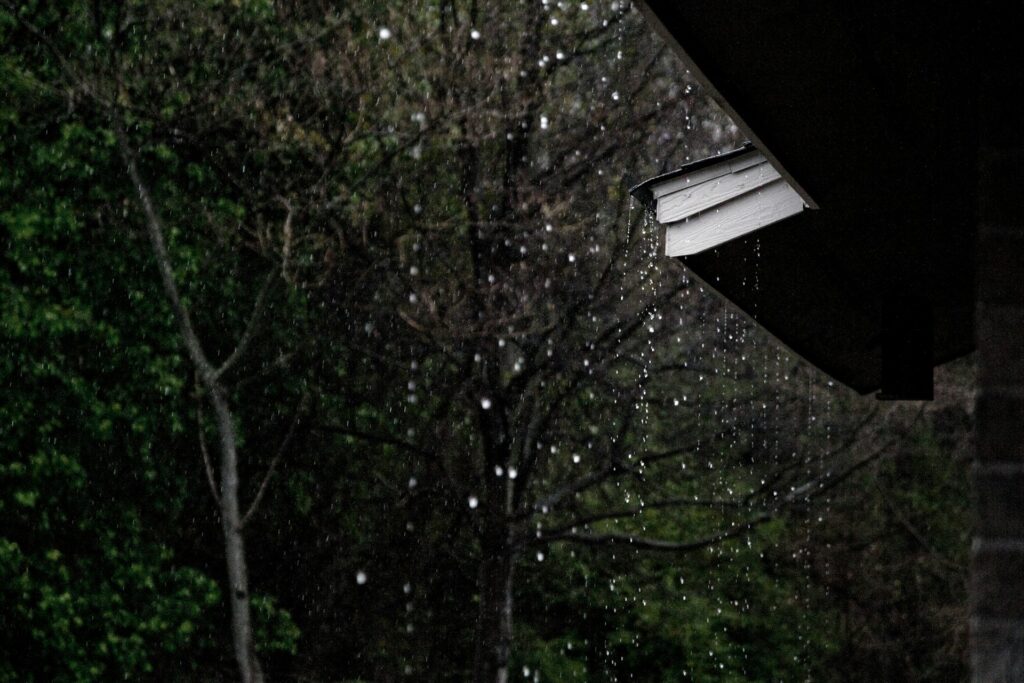
- Vancouver, with its proximity to the Columbia River, often experiences milder winter temperatures but heavy, consistent rainfall.
- Battle Ground gets a fair dive in temperature due to its higher elevation and distance from the river, making freezing rain and snowfall more common.
Understanding these microclimates allows you to tailor your roof protection plan in ways that directly address your home’s localized conditions. It also ensures that you’re being proactive, rather than relying on generalized recommendations meant for places that don’t see Clark County’s unique weather variation.
Why Vancouver’s Rain Demands Specific Care
Living near the Columbia River’s banks often means more moisture in the air. This steady moisture has a few side effects on rooftops, especially during the winter months when warm interiors can create condensation against cool roofing materials on rainy days.
Common Vancouver Roofing Risks
- Moss Growth Moss thrives in damp environments. On a rooftop, it holds water against shingles, eventually weakening them. Over time, unchecked moss can even cause shingle edges to lift or degrade prematurely.
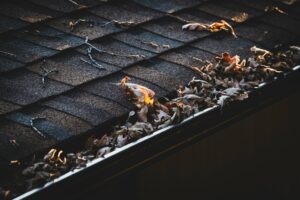
- Gutter Overload The frequent, heavier rain can quickly overflow gutters that aren’t kept clear, leading to water backing up and seeping under shingles or pooling around the foundation.
- Hidden Leaks Prolonged rain can turn a minor roof defect into a major leak. Water may slip under flashing around chimneys or skylights, potentially causing damage if not addressed quickly.
Maintenance Tips for Vancouver Homes
- Schedule periodic roof and gutter inspections. Staying vigilant helps you spot leaks right away and remove budding moss patches or early debris buildup.
- Trim overhanging branches. Limiting debris on the roof can reduce the potential for moss and blockages in gutters.
- Keep an eye on attic ventilation. Condensation in the attic can accelerate mold growth, so sufficient airflow with well-placed vents can help.
- Routinely remove moss. Use a gentle solution labeled for roof cleaning, such as moss-specific sprays that won’t harm shingles. If you prefer professional assistance, many local companies employ low-pressure washing techniques for safety and effectiveness.
(For more on handling moss issues, read this Oregon State University Extension article.)
By consistently applying these techniques, Vancouver homeowners can preserve their roof’s integrity, even when the rain feels incessant.
Battle Ground’s Snowy Landscape
Further north in Battle Ground, you’ll still see your fair share of rain. Yet during the colder weeks, snow-laden scenes often greet you in the morning, blanketing rooftops and transforming streets. While beautiful, these wintry displays bring their own set of upkeep needs.
Challenges Snow Brings
- Ice Dams Snow melting and refreezing at the edges of the roof can create ice dams. These dams block water from draining off, forcing it back under shingles and potentially leading to leaks.
- Weight Stress Although Clark County isn’t as snowy as some mountain regions, the extra weight from a sustained snowfall can strain roofs, especially older ones or those with structural vulnerabilities.
- Fluctuating Temperatures Battle Ground often swings between above-freezing days and below-freezing nights. These swings can cause expansion and contraction of various roofing components, like flashing and caulk, raising the possibility of cracks or loosened materials.
Winter Care Strategies for Battle Ground
- Inspect roof seals and flashing. Before the first snowfall, check around vents, chimneys, and skylights to make sure nothing is cracked or separating.
- Clear mild accumulations of snow. If your region sees several inches at a time, consider gently raking snow off with a long-handled roof rake to prevent ice dams and reduce excess weight.
- Insulate and ventilate. Proper insulation in the attic prevents warm air from escaping and melting the snow unevenly, which can trigger ice dams. Good ventilation channels trapped moisture out, reducing condensation issues.
- Install ice and water shields. Many homeowners in cooler microclimates add an underlayment or barrier near roof edges to provide extra protection against leaks if ice dams do form.
Learning from neighbors’ experiences or reaching out to local roofers who regularly work in snowy conditions can be invaluable. If you’re new to maintaining a home in a snow-prone environment, a professional consultation might save you from costly repairs later.
Choosing the Right Roofing Materials
No matter which corner of Clark County you call home, you’ll likely benefit from selecting materials that match your primary weather concerns. Some prefer asphalt shingles for budget-friendly versatility, while others with heavier snow might choose metal roofing for durability. The “best” roofing material depends on the local demands as well as your home’s architectural style.
Asphalt Shingles
- Popular across many neighborhoods and admired for both their affordability and wide range of styles.
- Work well in rainy regions when installed with high-quality underlayment.
- May require extra vigilance if battling moss. Upgrading to algae-resistant shingles is a proactive step in high-moisture areas like Vancouver.
Metal Roofing
- Highly durable against ice and snow, since metal helps snow slide off more quickly.
- Resistant to moss and algae growth.
- An upfront investment but can pay off with a longer lifespan and fewer winter maintenance demands.
Cedar Shakes
- Offer a rustic look favored by residents who appreciate a traditional Pacific Northwest style.
- Need routine cleaning and sealing. This can be more time-consuming in very rainy areas, but with consistent care, cedar can last for decades.
Composite or Synthetic Shingles
- Blend the best elements of asphalt and metal, sometimes presenting a lighter weight and higher-impact resistance.
- Often designed to be resistant to algae, mold, and UV damage.
- Might be appealing if you want an upgraded aesthetic while still meeting the protective demands of local microclimates.
Gutter Care and Roof Drainage
Regardless of climate, every roof needs a reliable drainage system. Gutters and downspouts channel away the water your roof sheds, helping protect your home’s foundation and siding. When those clog or freeze, your roofing materials suddenly face unnecessary stress.
Vancouver: Gutter Tips for Constant Rain
- Clear gutters more frequently during the rainy season. It’s easy for fallen leaves, stray branches, and even moss clumps to accumulate.
- Consider installing gutter guards that allow water through while keeping debris out.
- Maintain well-connected downspouts directed away from the home’s base.
Battle Ground: Gutter Tips for Snow and Ice
- Check for ice blockages that may develop in gutter troughs. Even a small buildup can worsen into full channels of ice that expand and crack the gutters.
- Regularly confirm downspout connections are secure so they don’t pull loose under the weight of ice and snow.
- If conditions allow, gently remove sticks or leaf piles before snow arrives, giving ice little to cling onto.
When your drainage systems are properly maintained, your roof can handle far more intense rainfall or snowfall without damaging side effects.
Insulation and Ventilation Secrets
A well-designed attic or roof system goes beyond shingles and gutters. By focusing on insulation and ventilation, homeowners can avoid moisture buildup in winter while also enjoying more stable indoor temperatures.
- Balanced Attic Insulation Enough insulation prevents excessive heat transfer from the living areas to the attic, reducing the likelihood of ice dams. It also stretches your home’s energy efficiency, saving on heating bills.
- Ridge Vents or Soffit Vents Proper venting allows cool, fresh air to circulate through the attic, carrying out the warm, moist air that can condense into roofing problems.
- Monitoring Humidity Levels When the outside air is rainy or snowy, indoor humidity can climb if your attic is poorly ventilated. This can trigger mold growth in insulation and on wooden rafters.
Sometimes, a modest investment in additional insulation or a few new vents can dramatically reduce wintertime roofing troubles. For climate-specific insulation guidance, the U.S. Department of Energy’s insulation resources provide reliable information.
The Cumulative Effect of Small Maintenance Steps
Roof problems in Clark County rarely come from a single cause. More often, they result from several small issues compounding over time. A tree branch provides shade, which encourages moss, which traps moisture, which eventually leads to a leak. The solution works the same way – in reverse.
Here’s what effective maintenance typically looks like:
- Trim overhanging branches to increase sunlight and reduce debris on the roof
- Remove moss before it has time to trap significant moisture against shingles
- Keep gutters clear so water flows freely instead of backing up under the roofline
- Check attic ventilation to prevent the moisture buildup that accelerates moss growth
None of these steps is expensive or particularly time-consuming on its own. But together, they create a roof environment that resists the conditions moss and moisture need to cause damage.
The homeowners who avoid major roof problems aren’t necessarily doing anything dramatic. They’re just addressing small issues before they compound into expensive repairs.
Balancing DIY and Professional Support
Many homeowners like to handle simple tasks, such as clearing light debris or applying moss treatments, to keep roofing costs low. However, certain scenarios benefit from professional guidance:
- Major leaks or structural concerns. A licensed roofer can evaluate decking and internal supports, detecting problems that might not be obvious at first glance.
- Climbing onto a multi-story roof. If your property is more than one story high, safety is paramount, and a professional has the proper gear and experience to reduce risks.
- Persistent ice dams. If your roof consistently accumulates ice, your attic’s insulation or ventilation strategy might need a strategic overhaul. An expert can provide practical solutions.
Balancing DIY upkeep with periodic professional checks from a trusted contractor like HomeMasters is often the most economical and effective approach. It ensures you stay in tune with your roof’s condition and catch minor issues before they balloon into big headaches.
Staying Adaptable
Clark County’s winters can be unpredictable – dry one year, record snows the next. The key is adjusting your maintenance schedule accordingly and doing a quick post-storm inspection after any unusual weather event.
The Bottom Line
Clark County’s microclimates mean your roof faces different challenges depending on where you live. Vancouver homeowners should prioritize moss control and gutter maintenance. Battle Ground homeowners need to focus on ice dam prevention and insulation.The good news is that neither requires dramatic intervention – just consistent attention to the specific issues your location presents. A little Vancouver roof maintenance each season prevents the expensive repairs that come from ignoring small problems until they become big ones.