When cold Northwest winters settle in, it’s tempting to crank up the heat and hope for a cozy home. Yet as any homeowner in Beaverton, Hillsboro, or across West Portland knows, that warmth often comes with hefty January heating bills. While insulation and HVAC efficiency are clear factors, the condition of your roof and siding can wield even greater influence on monthly expenses than many people realize.
This guide explores how your roof and siding directly affect your energy consumption. You’ll discover immediate strategies to reduce heat loss, optimize indoor comfort, and keep more money in your pocket this winter. Imagine your house as a living system – when roof and siding issues compromise one part, it impacts the entire home’s efficiency. By the end of this discussion, you’ll see how targeted improvements in these areas empower you to lower your energy usage, extend the lifespan of your home’s exterior, and create year-round comfort.
Why Heating Costs Rise in January
January typically heralds some of the coldest temperatures in Oregon. Short days, cooler nights, and damp, chilly air prompt constant use of heating systems. As demand surges, costs follow – both due to higher consumption and, in some cases, utility rate increases during peak usage.
Yet skyrocketing heating bills can often be traced to another culprit: inadequate or aging exterior components. If your home’s “shell” isn’t effectively sealing in warmth, you’ll find yourself leaning more heavily on the furnace or heat pump to stay comfortable. In West Portland’s climate – marked by higher humidity and rainy winters – a compromised roof or leaky siding intensifies heat loss. That means every extra hour your heater runs translates into unnecessary energy costs that accumulate throughout the season.
How Your Roof Impacts Energy Efficiency
Your roof is more than a cosmetic feature capping off your house. It serves as a critical first line of defense against temperature extremes – like the umbrella protecting you in a downpour. When your roof is in good shape, it acts like a protective shell, ensuring your attic space remains dry, well-insulated, and relatively temperature-stable.
- Insulation Retention: If your roof allows moisture to seep in, or if it lacks proper ventilation, the insulation in your attic can become damp and less effective. Insulation that’s clumped or flattened doesn’t trap air effectively, leading to heat escaping through the roof. Once heat is lost, the furnace cycles on more frequently to maintain comfortable indoor temperatures.
- Heat Absorption vs. Reflection: The type of roofing material you have can influence how much heat the roof retains. Darker shingles absorb more heat, while lighter ones reflect some of the sun’s rays. In cooler climates, a modest amount of heat absorption can be beneficial. But in warmer months – or extended warm spells – excess heat accumulation can drive up cooling costs. A balanced, energy-efficient roofing material ideally manages both cold and heat extremes. Learn more here about energy-efficient roofing solutions from Energy Star.
- Ventilation and Airflow: Proper roof ventilation is easy to overlook. However, well-designed vents allow fresh air intake and push out humid air, preventing mold and mildew. Improved airflow also stabilizes attic temperatures, so when those frosty January nights arrive, your indoor warmth isn’t as likely to leak out.
The Role of Siding in Heating Efficiency
The best roof in the world still isn’t enough if your siding is failing. Think of your siding as the walls of a thermal jacket, while your roof is the hood. Both need to work in harmony to keep you warm. When siding is damaged, outdated, or missing essential insulation layers, cold drafts can seep in from every direction.
- Moisture Barrier: Modern siding systems often incorporate weather-resistant barriers or house wraps. These thin membranes protect your interior walls by deflecting water vapor and outside moisture, helping you avoid mold growth, wood rot, or soggy insulation. If your siding and underlying barrier are compromised, it’s like having a tear in your jacket: wind and water will slip through.
- Thermal Resistance: Traditional siding materials – such as older vinyl or wood – can degrade over time, losing their ability to help maintain interior temperature. Upgrading to energy-efficient siding, like insulated vinyl or fiber-cement with backer boards, adds a layer of thermal resistance. As a result, your heating system doesn’t need to work double-time to offset drafts.
- Aesthetic and Maintenance Benefits: Beyond energy savings, upgraded siding with strong weather-resistant features also offers visual appeal and reduces ongoing maintenance. You’ll enjoy a fresher exterior that performs better across all seasons – saving time, effort, and money on repairs down the road.
Tips for West Portland Homes
West Portland, including areas like Beaverton and Hillsboro, presents specific weather-related challenges. Heavy rainfall, extended hours of winter darkness, and periodic cold snaps make homes particularly vulnerable to moisture intrusion and mold growth if not meticulously maintained. Below are practical steps to address these regional quirks and ensure you’re ready for the wet, chilly months.
- Schedule Routine Inspections Many local roofing and siding companies offer free or low-cost inspections in winter. An expert can spot loose shingles, tiny cracks in flashing, or warped siding panels that let heat escape. Routine check-ups, ideally every one to two years, help you find and fix issues long before they drive up energy costs.
- Address Leaks Promptly A small leak in your roof or siding can become a big problem fast. In damp climates, water intrusion not only affects insulation but can also compromise the structural integrity of beams and walls. Fixing these vulnerabilities sooner rather than later helps you avoid unexpected winter repairs.
- Upgrade Materials Strategically If your roof is approaching 20 years of age or your siding feels spongy or brittle in spots, consider an upgrade. Modern materials often come with energy-efficient features specifically designed for climates like West Portland. Look for roofing products with reflective asphalt shingles, metal shingles, or composite materials that balance heat retention in colder times while preventing excess summer heat gain. For siding, insulated vinyl, fiber-cement, or engineered wood all combine durability with improved insulation properties.
- Ensure Proper Ventilation Don’t forget about attic ventilation. Adequate air circulation cycles out moist air and helps regulate temperature differences between your living space and outdoors. In West Portland, where dampness is a constant companion, good ventilation is the quiet hero preventing damage and wasteful heat loss.
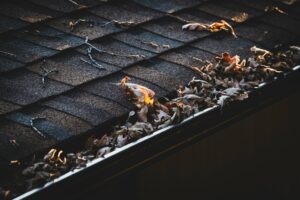
- Clean and Maintain Gutters Though it may not be the first thing on a homeowner’s mind, clogged gutters can lead to standing water, which can seep under the roof or behind siding. Keeping gutters clean ensures rainwater flows away from your home, reducing the risk of leaks and maintaining the integrity of your exterior.
How These Upgrades Typically Pay Off
When homeowners address roof and siding issues together, the improvements often compound. Here’s what that looks like in practice:
A roof replacement with energy-efficient materials and proper ventilation can reduce heat loss through the attic by a significant margin. Add in new ridge vents or improved soffit ventilation, and moisture problems that were quietly damaging insulation get addressed at the same time.
Upgrading to insulated siding eliminates drafts around windows and doors – areas where older homes tend to leak conditioned air. The improvement is often noticeable immediately; rooms that felt perpetually cold become more comfortable.
Together, these upgrades can reduce heating costs by 15-25% in many cases, depending on the home’s starting condition. But the benefits extend beyond utility bills:
- Less moisture infiltration means reduced risk of mold and structural damage
- Improved comfort throughout the home, with fewer cold spots
- Better indoor air quality from reduced humidity and mold potential
- Increased home value for future resale
The initial investment is real, but it’s paying for both immediate comfort and long-term protection.
Key Signs Your Roof or Siding Needs Attention
Sometimes problems aren’t as obvious as an active leak. Watch for these subtle signs that your home could benefit from repairs or upgrades:
- Curled, cracked, or missing shingles
- Granules from asphalt shingles collecting in gutters
- Interior water stains or damp insulation in the attic
- Noticeable drafts near walls and windows
- Blistered or peeling paint on exterior walls
- Warped siding boards or visible gaps
- Mold, mildew, or algae growth on walls or roof
- Consistently higher energy bills without a clear cause
Addressing these red flags early helps you prevent winter surprises that are often more expensive to fix once the rainy season sets in.
Steps to Get Started
For many homeowners, the process of upgrading roofing or siding can feel daunting. But with a strategic approach, you can move forward confidently:
- Request a Professional Inspection: Start by contacting a reputable contractor like HomeMasters in West Portland. Consider checking reviews on trusted local resources such as Angi to find licensed, insured professionals with a track record of quality work.
- Compare Options and Get Estimates: Make sure you gather multiple quotes and read the fine print. Ask about energy-efficient materials, warranties, and local supplier partnerships for potential discounts.
- Consider Financing and Incentives: Some energy-efficient upgrades qualify for utility rebates or state and federal incentives. There may also be financing options that spread out the cost with low interest. If you’re unsure, ask your contractor or check with your electric utility company.
- Plan the Timing Thoughtfully: While roofing and siding projects can be done in most seasons, aim to schedule them before the coldest winter months. This ensures you benefit from improved efficiency during the peak of energy usage.
- Focus on Maintenance: After installation, continue routine care. Keep gutters clear, monitor attic insulation, and look for signs of wear each season. This extends the life of your improvements and safeguards your investment.
The Hidden Impact of Better Ventilation
One of the most underappreciated aspects of an efficient exterior is proper ventilation. A well-ventilated roofing system allows humid air to escape, keeping your attic – and your insulation – dry. Similarly, breathability in siding materials helps regulate indoor humidity and prevents condensation. When your home is balanced in this way, you feel more comfortable at lower thermostat settings, saving substantial energy overall.
Better ventilation also helps protect against ice dams in colder climates and mold growth when the Portland rains settle in for days on end. By discreetly and continuously controlling moisture, your roof and siding form a dynamic system that adapts to changing conditions – much like the body’s thermoregulation. The return on investment goes beyond energy savings, extending to improved indoor air quality and structural longevity.
Looking Toward the Future
Energy efficiency is no longer a luxury – today, it’s an essential part of homeownership. If your roof and siding aren’t optimized, you risk ongoing costs that chip away at your budget each month. Fortunately, there’s a growing array of materials and technologies designed for Oregon’s varied climate. Reflective coatings, multi-layer shingles, and siding with built-in insulation are just the beginning. As trends evolve, anticipate even more sophisticated products emerging, alongside advanced home automation systems that fine-tune energy usage in real time.
Investments in a strong exterior signal more than just cost savings. They’re about comfort, sustainability, and long-term peace of mind. Savvy homeowners who establish this foundation early often find themselves benefiting from improved home value should they decide to sell. Buyers are increasingly aware of energy performance, and a house with recent upgrades stands out in a competitive market.
A Path of Continuous Improvement
Taking steps to lower your heating bills isn’t a one-time event; it’s part of a journey toward sustainable home living. Whether you decide on a small repair or a comprehensive exterior overhaul, each choice builds on the last. The end goal? A snug, welcoming haven for you and your family – regardless of how blustery or drizzly the West Portland winter gets.
If you’ve been experiencing surprisingly high bills or constantly adjusting the thermostat, investigate your roof and siding first. Addressing issues with these essential components often offers the fastest and most significant payoff, especially in January when energy use peaks. Through proper inspection, choosing modern, energy-efficient materials, and committing to regular maintenance, you’ll forge a tangible path toward an optimized home that breathes, adapts, and supports you all year long.
When roof and siding work as partners – keeping in warmth, deflecting moisture, and promoting healthy air ventilation – your home functions like a well-tuned ecosystem. Embrace this holistic approach, and you’ll position yourself to enjoy lower costs, greater comfort, and a property that’s ready to weather any winter storm.